

C60 Trident
Model History
Launched in 2009, the C60 Trident was born as a robust, reliable dive-watch proposal, designed to compete technically with the most prestigious Swiss divers while keeping the affordable pricing typical of Christopher Ward's direct-to-consumer sales. From the very first model, the Trident adopted a professional-instrument setup — a graduated unidirectional bezel, high dial legibility, a rugged case — to which was added the detail that gives the line its name: the trident-tipped seconds hand, a distinctive element carried forward ever since across the whole collection.
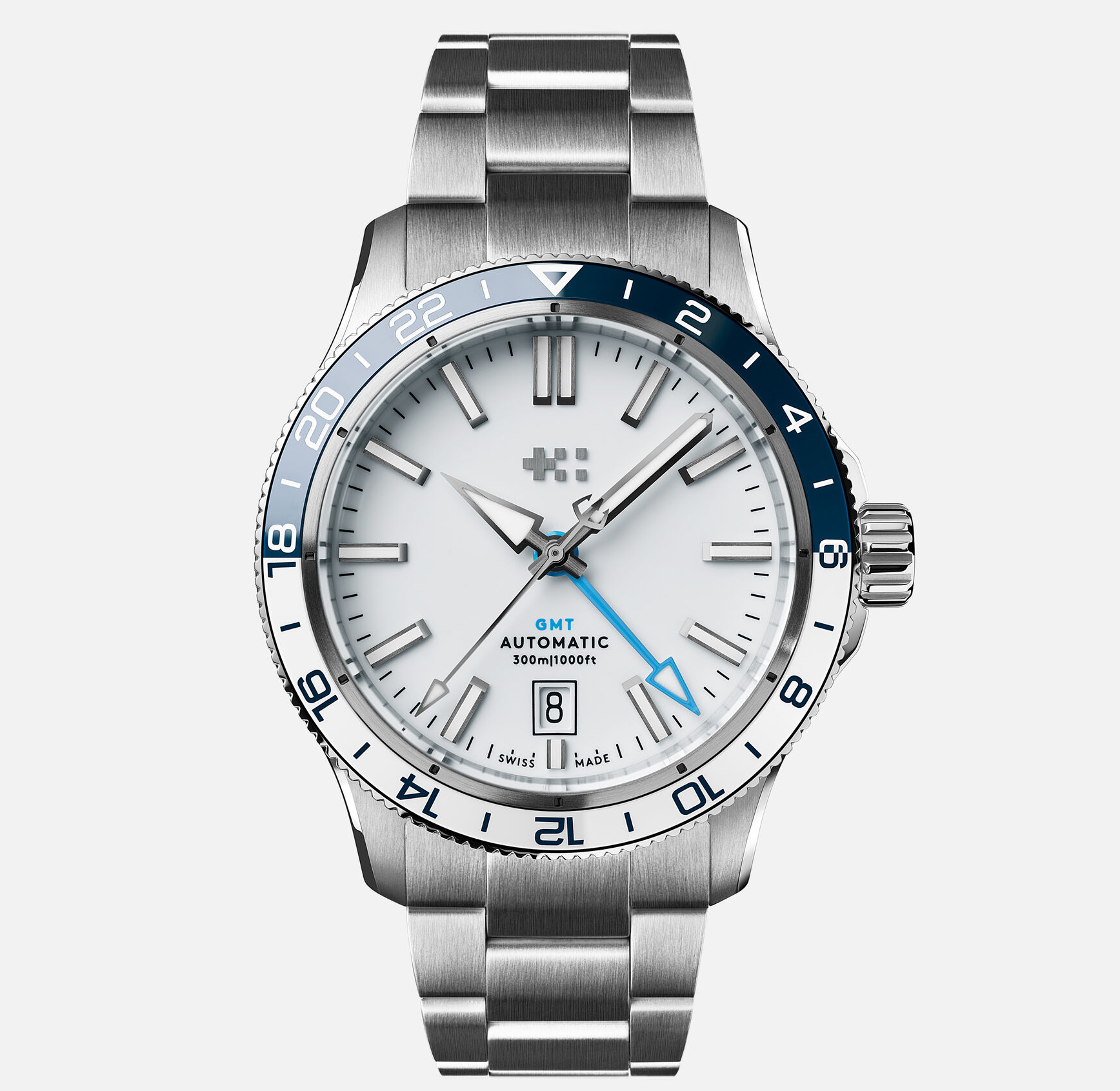
Over the years the C60 Trident has been updated through several generations, the third of which is still in production, expanding from a single model into an articulated collection: from the entry-level Reef, with dial colors inspired by coral reefs and water resistance up to 200 meters, to the professional Pro 300 (also available in bronze), up to the traveler-oriented GMT 300 and the technical Sapphire Edge with a transparent dial. The range also includes variants designed for the British armed forces, such as the Lympstone dedicated to the Royal Marines, developed under licensing agreements with the Ministry of Defence.
At the top of the line sits the C60 Elite 1000, made of titanium and fitted with a helium escape valve, able to reach 1000 meters of water resistance: a demonstration of the collection's technical ambitions, which nonetheless remains anchored to an essentially instrument-driven design rather than a high-end watch positioning. The C60 Trident is today the model most identified with Christopher Ward and is often the first point of contact between the brand and new enthusiasts.
Technical Specifications
Main Executions
The collection's name comes directly from the trident-shaped seconds-hand detail: a nod to Neptune/Poseidon, god of the sea, which the brand has over time extended to its entire family of dive watches, effectively making it the unofficial logo of Christopher Ward's best-selling line.