
Ollech & Wajs
Brand History
Ollech & Wajs was founded in 1956 in Zurich, in a tiny shop with barely a meter of counter space on Stockerstrasse, from the meeting of Albert Wajs, who had been producing steel bracelets and handling design and engineering since 1954, and Joseph Ollech, in charge of advertising and sales. The two began by reselling already established brands such as Omega and Breitling, before starting their own production in 1957. From the very beginning the brand adopted a strategy unusual for the time: mail-order sales, mainly toward the United States and the United Kingdom, which let a company of artisanal size reach an enormous audience without going through the traditional jewelry-store network.
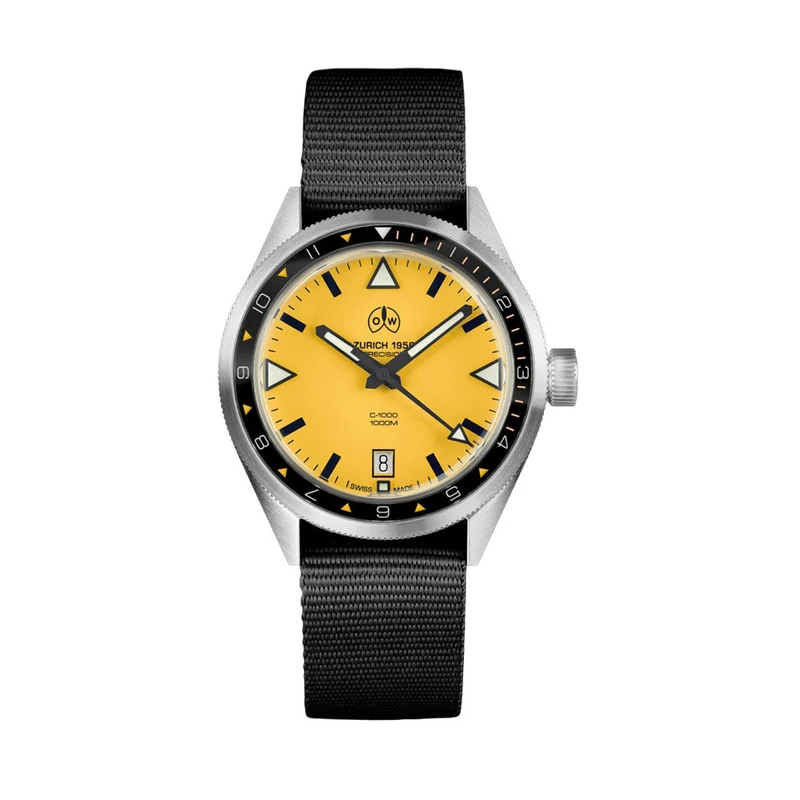
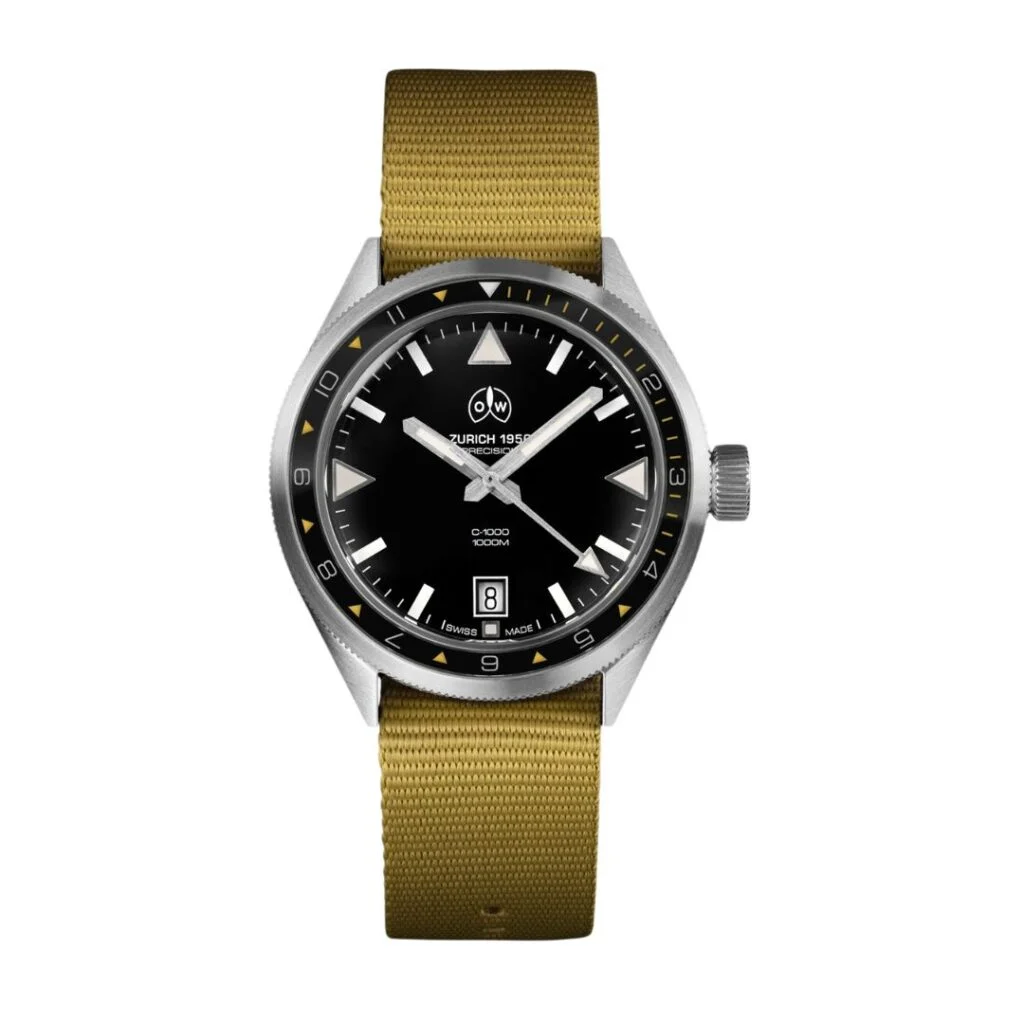
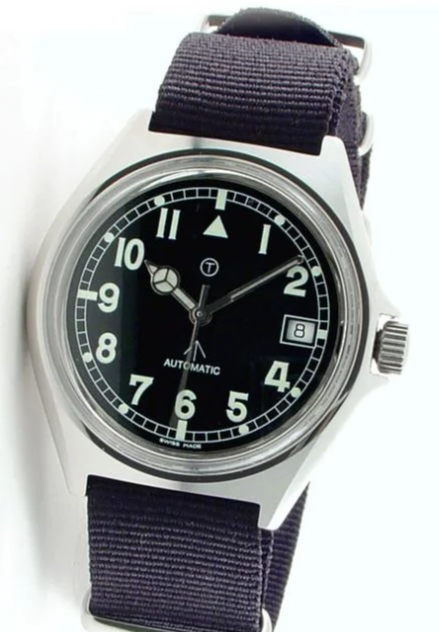
In the 1960s and 1970s O&W specialized in robust watches for professional and military use. In 1964 it launched the Caribbean 1000, a dive watch with a certified water resistance of 1,000 meters that at the time far surpassed that of even the most celebrated Swiss competitors. In parallel, the field watches of the M65 line became extremely popular among US troops during the Vietnam War, with supplies that, according to some industry sources, reached several thousand pieces a year at their peak. The brand also made aviation chronographs such as the Astrochron (1967), which ended up on the wrist of NASA rocket scientist Wernher von Braun, and in the 1970s it even went so far as to assemble leftover stocks of Navitimer chronographs from a then financially troubled Breitling.
The quartz crisis of the 1980s marked a long decline: production dropped drastically, down to just a few dozen pieces a year. The brand survived in minimal form under the guidance of Albert Wajs until 2017, when Charles Le Menestrel — a French collector who had discovered O&W in the 1990s thanks to a vintage Astrochron and who had already become its distributor in 2006 — acquired the name, archives and remaining stock outright after years of negotiations. Since then the brand has been reborn around its most celebrated historic references, with small-scale production entrusted to historic suppliers in the Swiss Jura, including the same Jenny family that made the cases for the original Caribbean 1000.