
Credor
Brand History
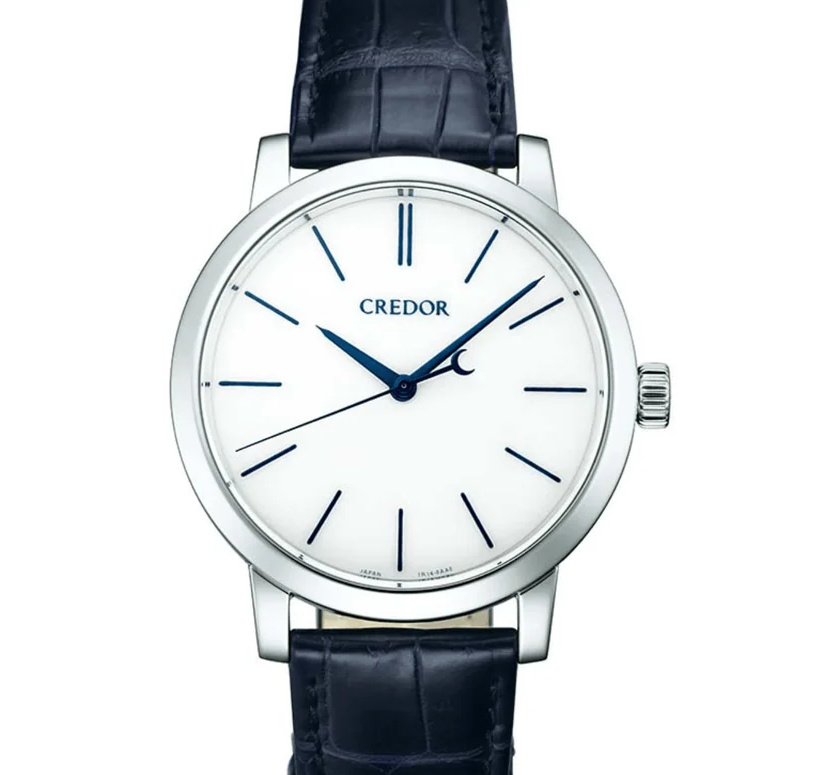
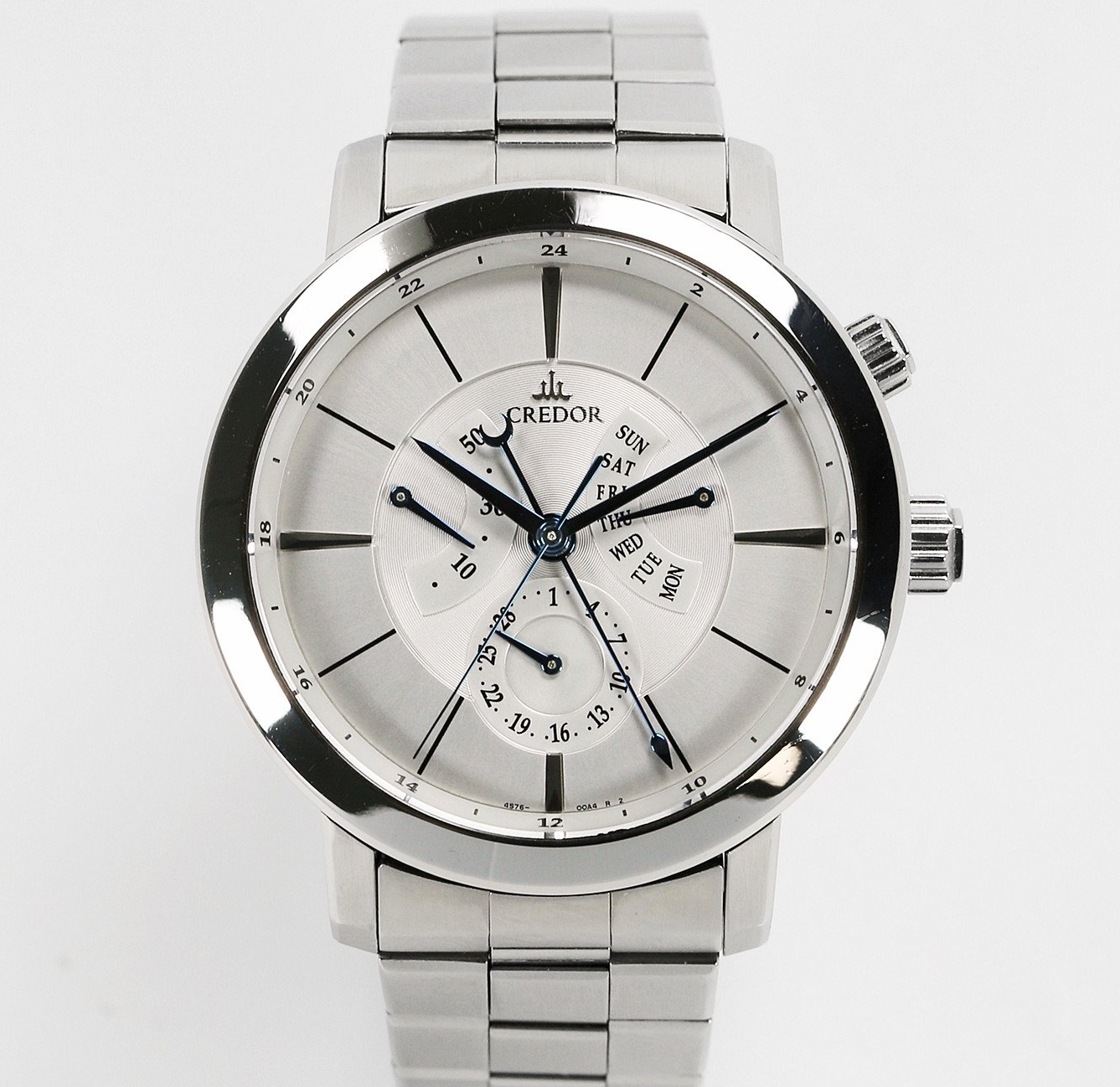
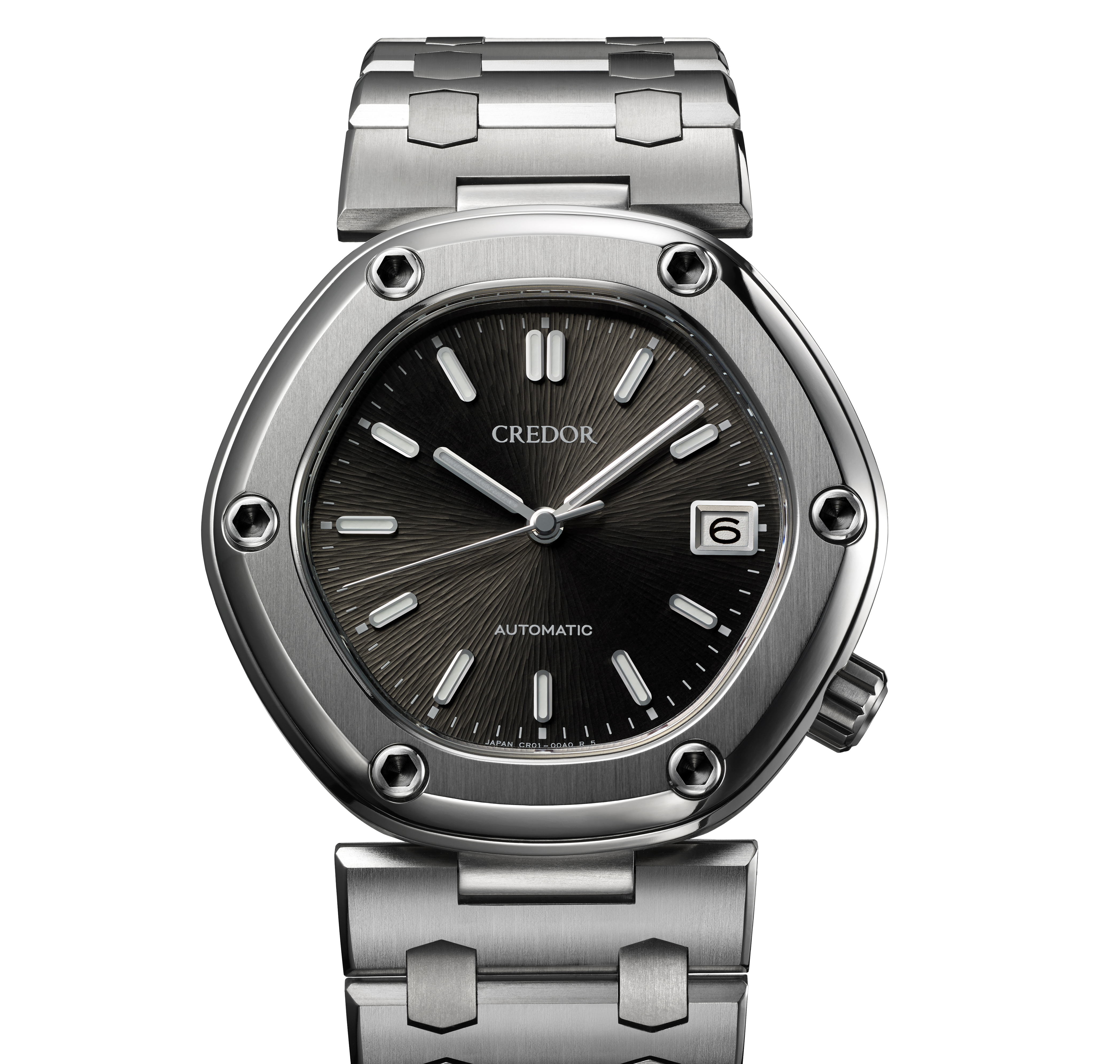
Credor was born in 1974 as the top-tier division of the Seiko group. The name derives from the French "crête d'or", meaning "golden crest" or "golden peak": an explicit reference to the idea of the highest point of the group's watchmaking production. The earliest references, released in the mid-1970s, still carried the Seiko name alongside the words "Crêt d'Or"; only around 1980 did the Credor name fully separate from Seiko to become an independent brand, with its own mountain-shaped logo topped by three stars, a declared symbol of original design, advanced technology and artisan heritage.
Within the Seiko galaxy — which also includes Grand Seiko, born to establish precision and finishing as absolute values of Japanese watchmaking — Credor occupies a distinct position: that of the most refined and reserved brand, oriented not so much toward robustness or chronometric precision as toward subtle elegance, artistic dial work and the pursuit of extremely thin mechanical and quartz movements. It is a catalogue conceived first and foremost for the Japanese domestic market, with historically very limited international distribution and prices that place Credor among the world's high-watchmaking brands.
Over the decades Credor has accumulated a series of technical firsts for the Seiko group: among the thinnest quartz movements in the world in the 1980s, the co-presentation of Spring Drive technology in 1999, the first Japanese sonnerie (chiming alarm) in 2006, the first Seiko tourbillon (Fugaku) in 2016. Much of this achievement stems from the work of the Micro Artist Studio in Shiojiri, a workshop where a small group of artisans hand-assembles a very limited number of pieces each year. In 2024, to mark its fiftieth anniversary, the brand launched an English-language website and cautiously expanded its presence outside Japan, while remaining a brand with a predominantly domestic character.