
Ebel
Brand History
Ebel was founded on July 15, 1911 in La Chaux-de-Fonds, the heart of Swiss watchmaking, by the married couple Eugène Blum and Alice Lévy: the brand's name is an acronym of "Eugène Blum Et Lévy". From its earliest decades the atelier distinguished itself through a pursuit of precision — in 1914 it won a gold medal at the Swiss National Exhibition for a ring-watch patent, in 1925 it earned a Grand Prix at the Paris International Exposition of Decorative Arts, and in 1935 it became the first Swiss manufacturer to adopt the Western Electric precision measurement system. In the following decades, under the leadership of the founders' son Charles Blum, Ebel also worked as a supplier of cases and movements for other maisons, including Cartier and Vacheron Constantin.
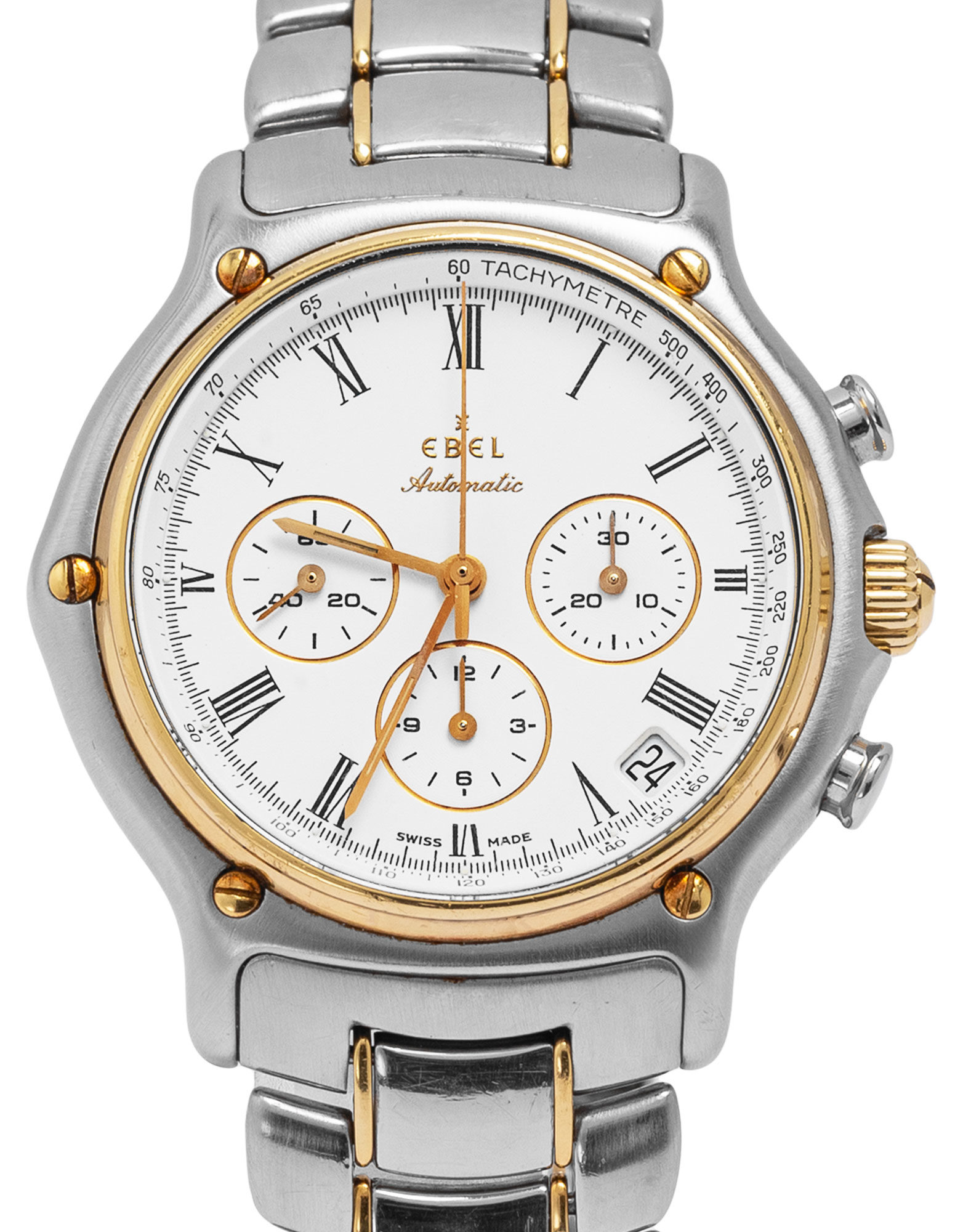
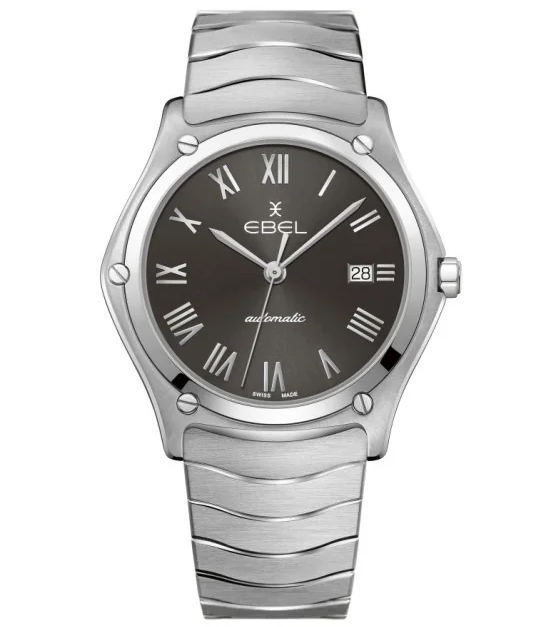
The peak expansion came in the 1970s and 1980s, when Pierre-Alain Blum, grandson of the founders, took over the company from his father in 1975 and turned it into an internationally recognizable brand under the motto "The Architects of Time". In 1977 he launched the Sport Classic line, with its hexagonal case and "wave" bracelet that would become the brand's defining trait; in the early 1980s he struck a deal with Zenith for the use of the legendary El Primero chronograph movement, helping to save that caliber from disappearing. In 1986, for the 75th anniversary, he introduced the 1911 line, dedicated to the founding year, and purchased Le Corbusier's Villa Turque in La Chaux-de-Fonds, sealing the bond the brand claims between watchmaking and architecture. During this period the workforce grew from about 40 to 700 employees, and Ebel became a brand associated with sport and entertainment, worn among others by Boris Becker and Andre Agassi.
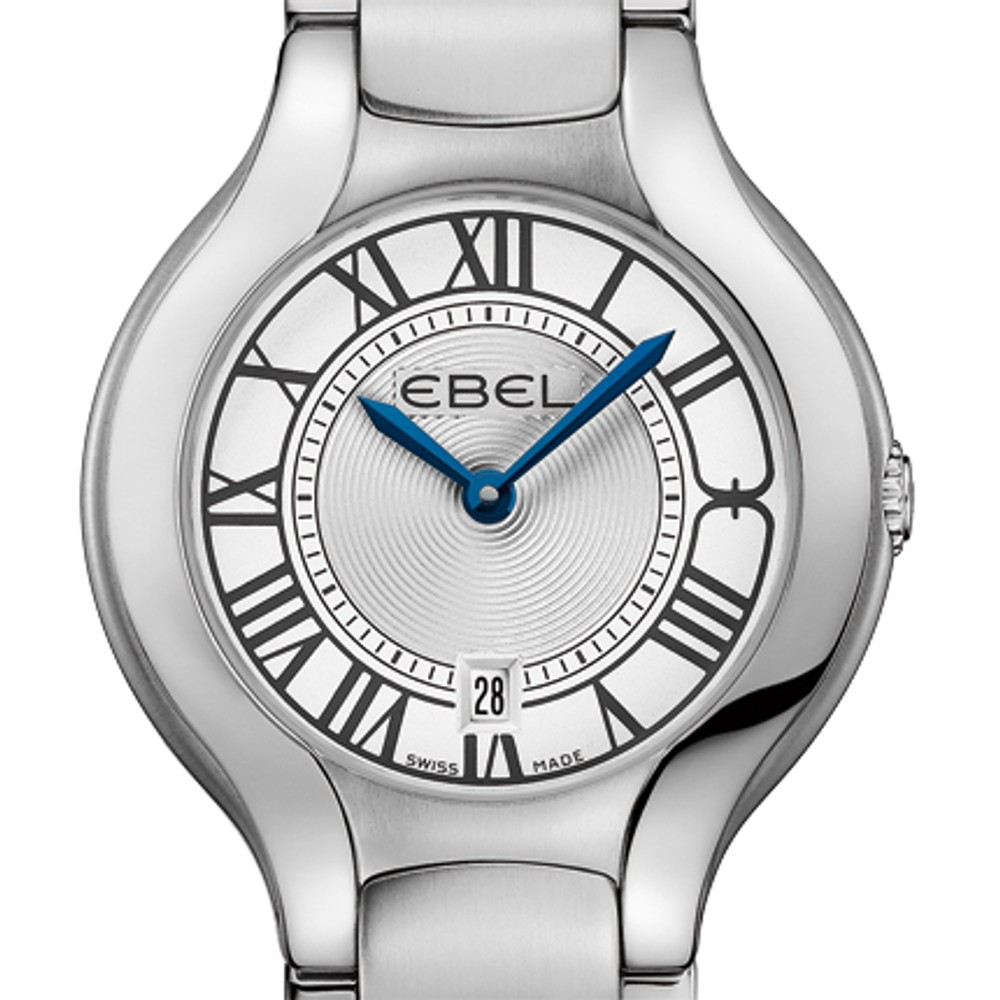
Financial difficulties in the late 1980s led in 1994 to the sale to Investcorp; in 1999 the brand passed to LVMH together with Chaumet, before finally landing in 2003 with the American watch and jewelry group Movado, which still owns it today. In more recent years Movado has focused on rediscovering the brand's historical heritage, relaunching in a contemporary key the collections that built its identity, from the 1911 to the Sport Classic to the Beluga.