
Omega
Brand History
Omega's story begins in 1848, when the young watchmaker Louis Brandt opens a small "établissage" workshop in La Chaux-de-Fonds, in the Swiss Jura: that is, he assembles pocket chronometers from components supplied by specialized local artisans, following the decentralized system typical of the era. When Brandt dies in 1879, the business passes to his sons Louis-Paul and César, who in 1880 move production to Bienne, the city that remains the manufacture's home to this day, in order to be closer to skilled labor and to better rail and industrial connections.
The leap in quality comes in 1894, when the Brandt brothers launch a caliber that is revolutionary for its time, capable of guaranteeing high precision with fully interchangeable components and production carried out entirely under one roof: they name it "Omega," the last letter of the Greek alphabet, to signal its character as a definitive technical milestone. The caliber's commercial success is such that in 1903, after the premature death of both brothers in the same year, the company's legal name is officially changed to Omega Watch Co., abandoning the original name Louis Brandt & Fils: the name of the entire brand is thus born from a single movement.
In 1932 Omega becomes the sole official timekeeper of the Olympic Games, starting with the Los Angeles edition: a role the brand claims as the longest-running sports sponsorship relationship in the history of watchmaking, one it has maintained, with a few interruptions, to this day. In 1930 Omega had already merged with Tissot to create SSIH (Société Suisse pour l'Industrie Horlogère), which in the 1960s and 1970s becomes the leading Swiss watch group and one of the largest in the world, with Omega as its flagship brand, in some years even outselling Rolex in volume.
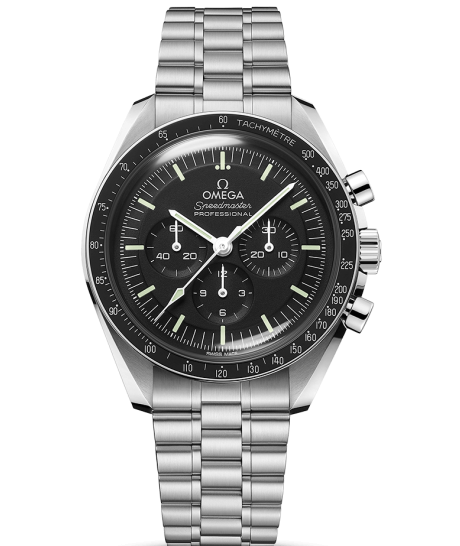
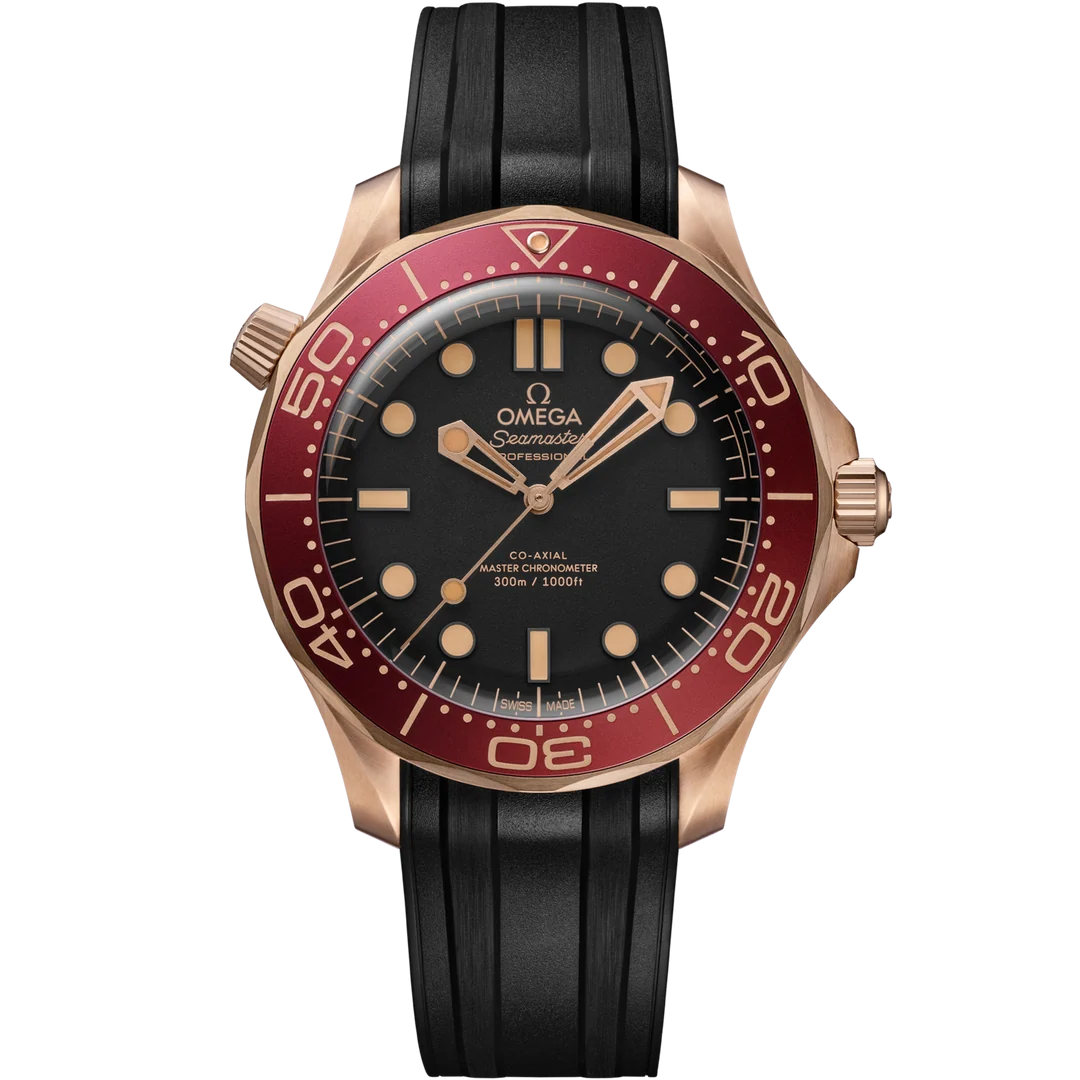
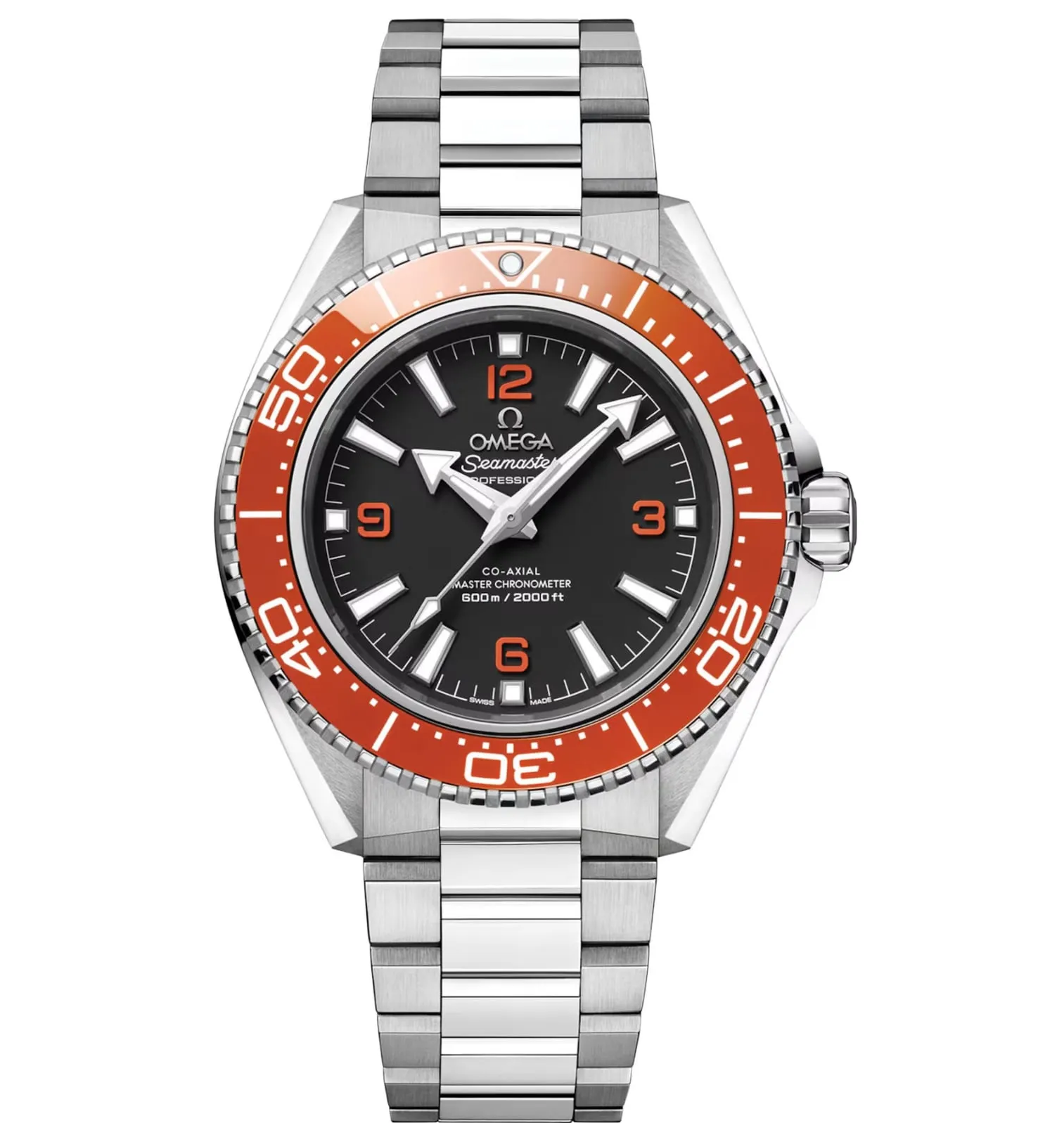
1957 is a key year for the brand's technical identity: Omega launches, in rapid succession, three professional instruments destined to define its catalogue for decades to come — the Speedmaster chronograph, designed for drivers and engineers, the Seamaster 300 for professional divers, and the Railmaster for those working near magnetic fields. It is the Speedmaster that writes the most famous page in the brand's watchmaking history: on March 1, 1965, NASA, after brutal comparative tests among several commercially available chronographs designed to push the crew "almost to destruction," qualifies it as the sole timekeeper for all crewed missions, including extravehicular activities. On July 21, 1969, the Speedmaster Professional thus becomes the first watch worn on the Moon during the Apollo 11 mission, earning from then on the nickname "Moonwatch."
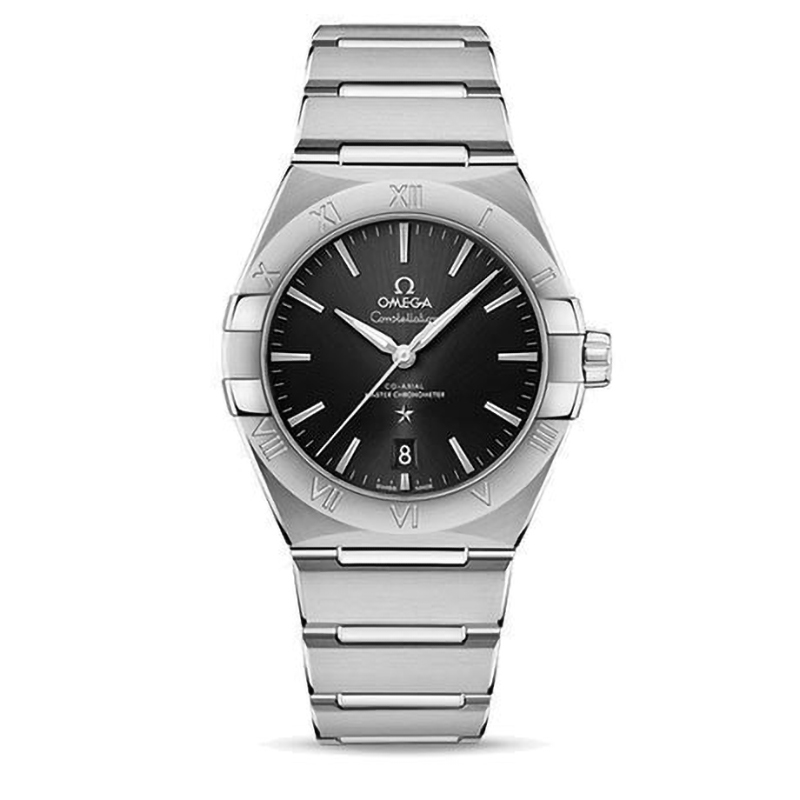
Like the rest of the Swiss watch industry, Omega goes through a severe crisis in the 1970s with the arrival of low-cost Japanese quartz: SSIH accumulates heavy losses until the creditor banks step in in 1981 and the merger, in 1983, with the other struggling major group ASUAG, driven by the entrepreneur Nicolas G. Hayek. The reorganization gives rise in 1985 to the SMH holding company, renamed in 1998 the Swatch Group: Omega joins it as the flagship high-end brand, maintaining strong investment in research that leads, in 1999, to the adoption of the Co-Axial escapement devised by British watchmaker and historian George Daniels — the first structural innovation to the Swiss lever escapement in over two centuries — and, from 2015, to the "Master Chronometer" certification issued by the METAS institute, which subjects watches to eight additional tests beyond COSC certification, including resistance to magnetic fields.