
Yema
Brand history
Yema was born in 1948 in Besançon, the historic capital of French watchmaking, on the initiative of Henry-Louis Belmont, a watchmaker trained at the local National School of Watchmaking. Within a few years the brand grew extremely fast: already in the 1950s it introduced its own automatic movements and its first dive watches water-resistant to 100 metres, and between the 1960s and '70s it became France's leading watch producer, with hundreds of thousands of pieces made each year and exported to dozens of countries.
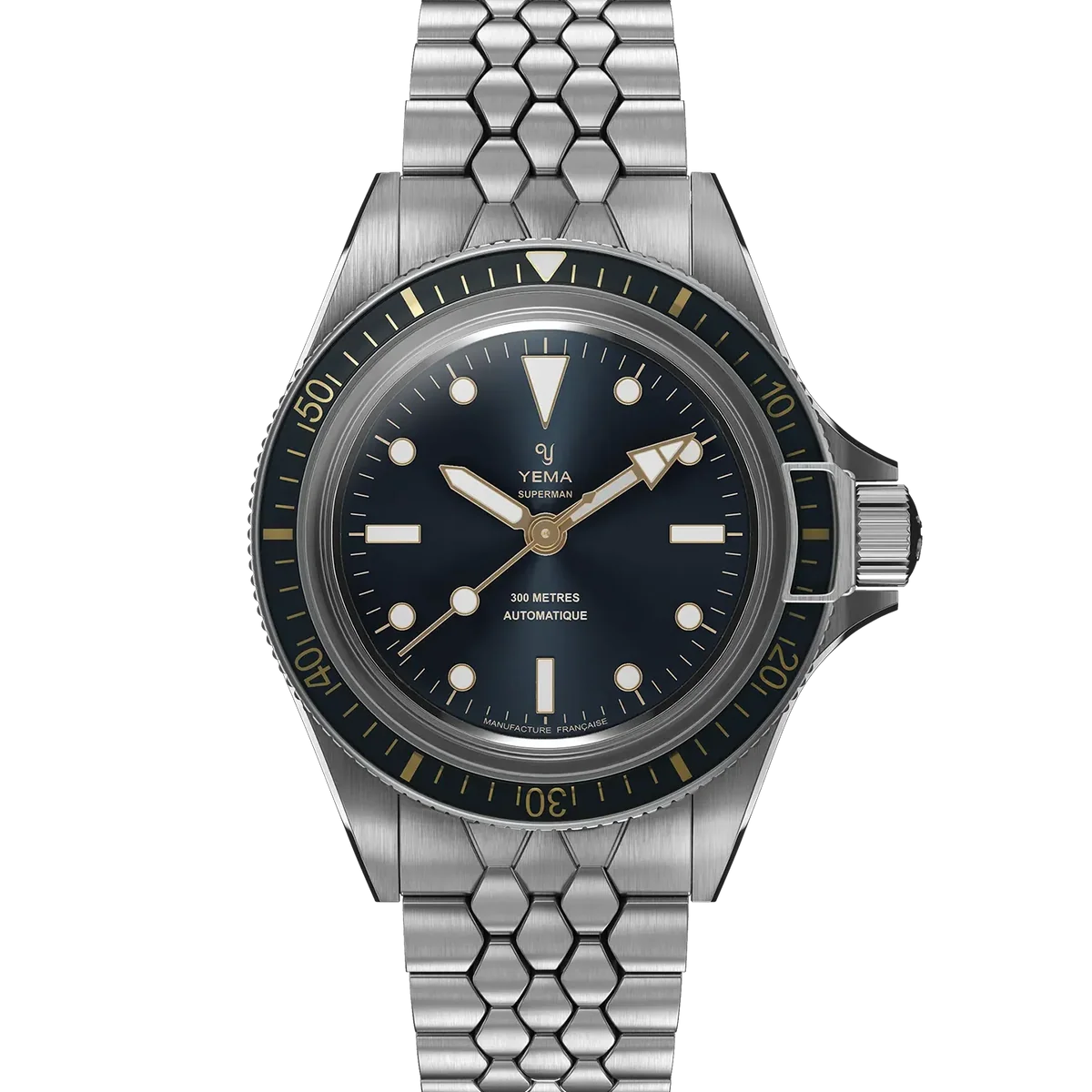
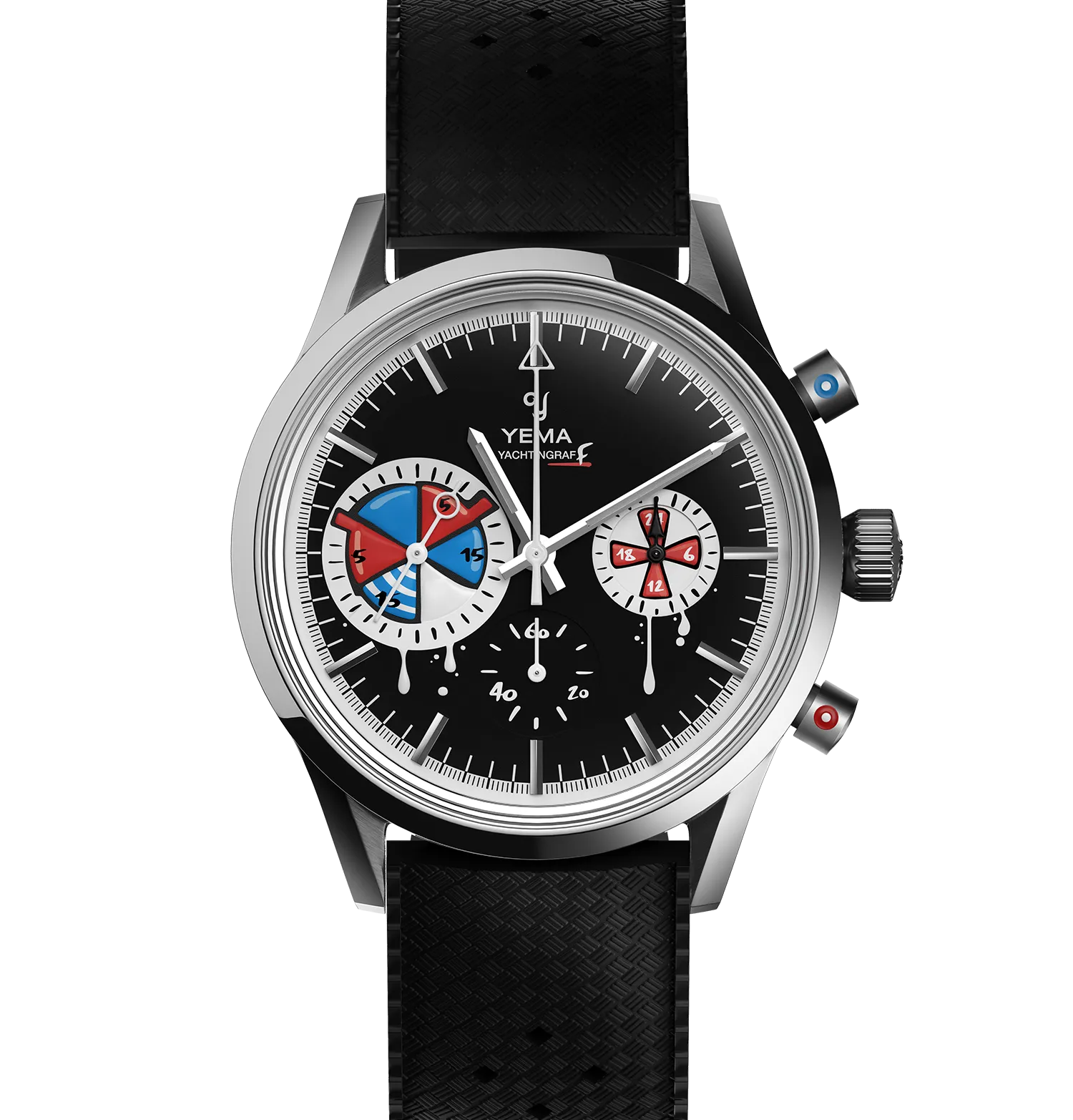
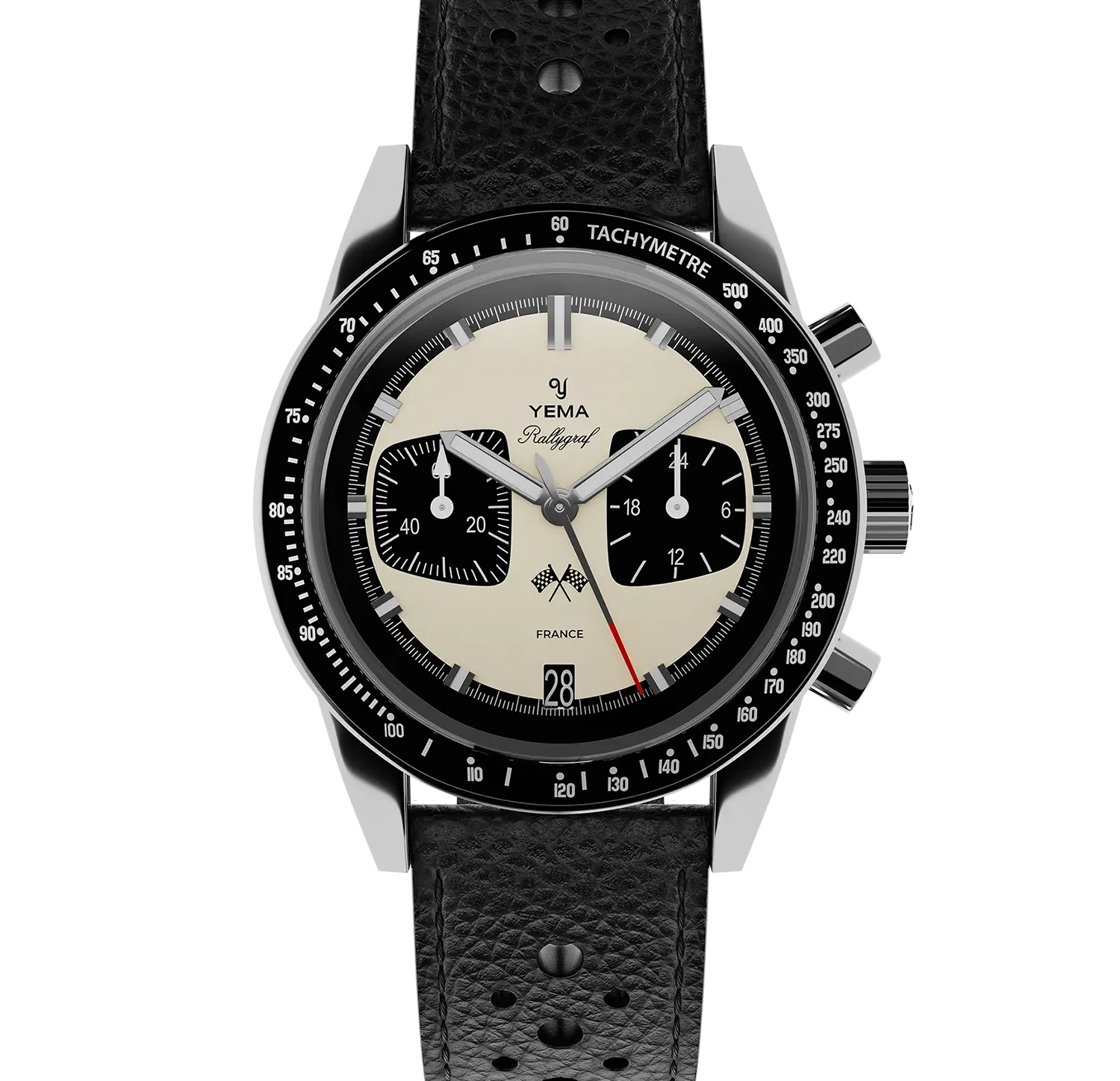
It was in this period that Yema built its identity around three sports models that became emblematic: the Superman diver, launched in 1963; the Yachtingraf regatta chronograph, whose idea was filed in 1966 and patented in the following years; and the Rallygraf racing chronograph, which appeared at the end of the 1960s. From 1970 Yema became official supplier to the French Sailing Federation, following the French team to the 1972 Munich Olympic Games as well.
Its link with French exploration grew stronger in the following years: in 1982 the Yema Spationaute accompanied astronaut Jean-Loup Chrétien on the Soyuz T-6 mission, becoming the first French watch in space; it was followed by the Spationaute II with Patrick Baudry in 1985 and the Spationaute III, again with Chrétien, in 1988, while in 1986 a Yema model accompanied explorer Jean-Louis Étienne on his solo trek to the North Pole. After changes of ownership that included the Matra group in the 1980s and the Japanese Hattori-Seiko group between 1988 and 2004, since 2009 Yema has been back in French hands under Montres Ambre, which relaunched the brand by developing its own manufacture calibres produced in the Jura, in the Morteau area.