
Doxa
Brand History
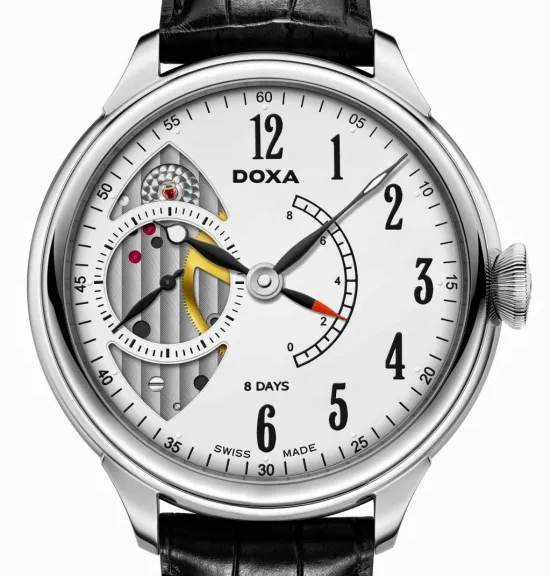
Doxa was founded in 1889 in Le Locle, in the heart of the Swiss Jura, by Georges Ducommun, a twenty-one-year-old who had started out as an apprentice in a case-making workshop at twelve and opened his own repair shop at twenty. The company first made its name with classically styled pocket and wrist watches, winning gold medals at the international exhibitions of Liège (1905) and Milan (1906), and in 1907 Ducommun patented an eight-day manual-winding caliber designed for dashboard clocks in automobiles, aircraft and boats: an innovation that from 1911 equipped Bugatti cars and, later, Mercedes-Benz and Peugeot. On the founder's death in 1936, leadership passed to his son-in-law Jacques Nardin, a nephew of Ulysse Nardin, who expanded the catalogue with complications such as jump-hour displays and alarms.
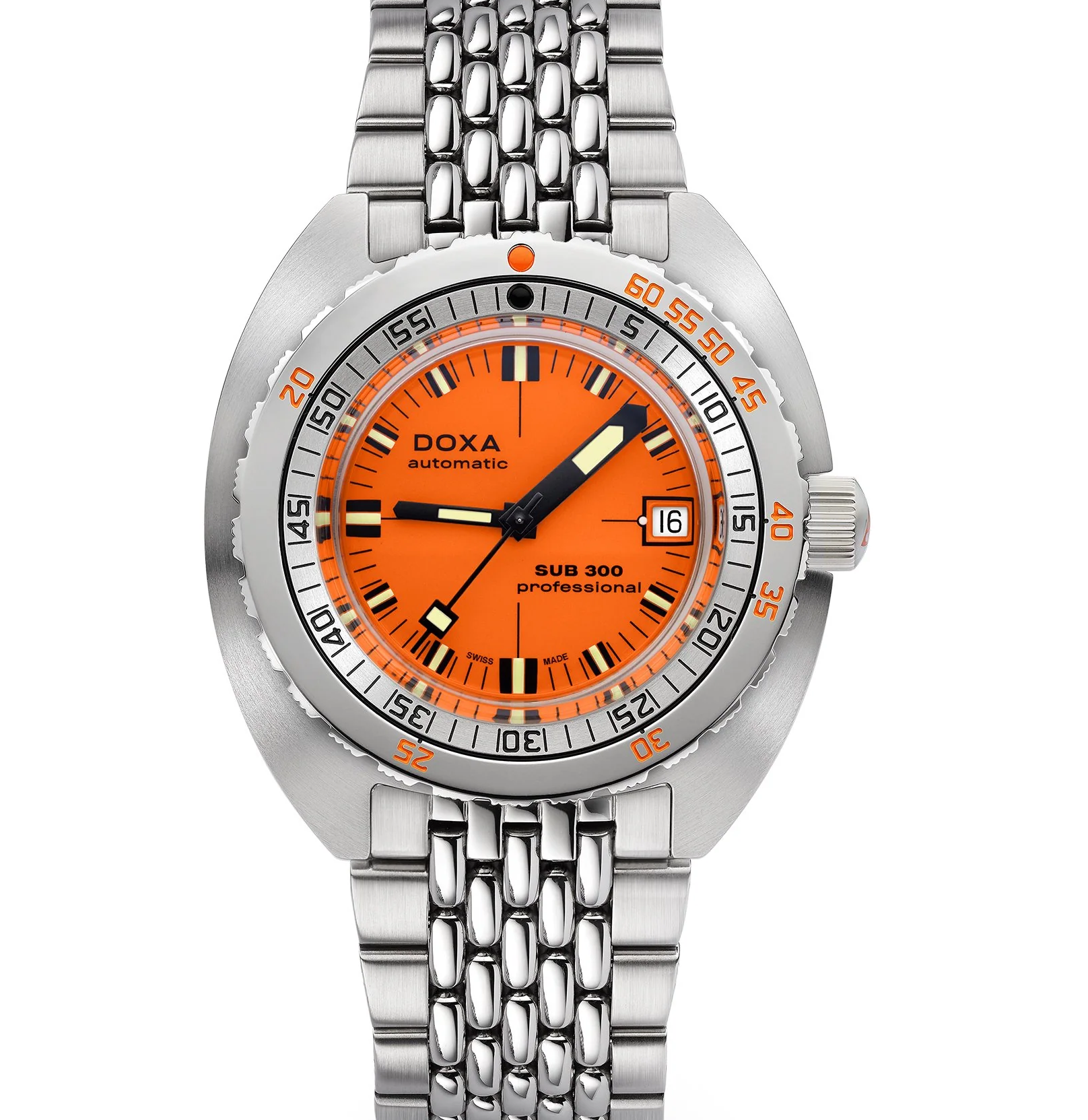
The decisive turning point came in 1967. After product manager Urs Eschle, together with diver Claude Wesly, had tested in Lake Neuchâtel which colors remained visible longest in murky water, Doxa launched the SUB 300 with the first orange dial in watchmaking history, developed also with input from Jacques-Yves Cousteau's team. The following year the SUB 300T "Conquistador" introduced the helium escape valve, among the first in the world on a commercial watch, and the Swiss Army's combat divers adopted the model as standard issue; the SUB's fame grew further thanks to Clive Cussler's novels, which made it the watch of his character Dirk Pitt.
The quartz crisis of the 1970s hit the brand hard, and by 1983 it had essentially ceased operations under the ownership of Aubry Frères. The revival came in 1997, when the Jenny family took over Doxa and, thanks above all to the commercial insight of Rick Marei — among the first to sell Swiss watches online systematically — the brand regained an international audience, particularly in the United States. Since 2019, under new management, Doxa has continued along the path set by the SUB, remaining true to its identity as a dive-watch specialist.