
Panerai
Brand History
Panerai was born in Florence in 1860, when Giovanni Panerai opened a small watchmaking shop in the city, at Ponte alle Grazie — at once a store, a precision workshop and, according to family tradition, the first watchmaking school in the Tuscan capital. In 1926 the business moved to a more prestigious location, in the Palazzo dell'Arcivescovo right across from the Duomo, a sign of a company that, having passed meanwhile to his son Guido and then to his grandson Giuseppe, had broadened its scope from simple retail to the production of precision instruments.
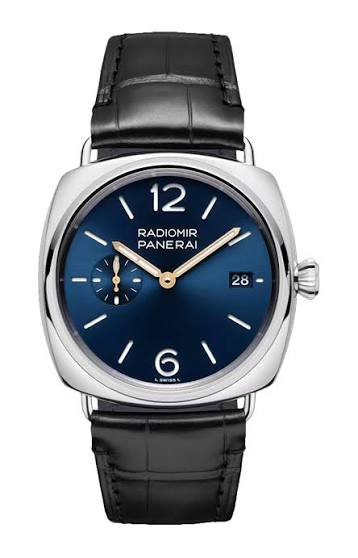
It was precisely this technical vocation that led Panerai, in the early decades of the twentieth century, to become a supplier to the Italian Royal Navy: not yet wristwatches in the modern sense, but compasses, depth gauges, aiming devices and other precision underwater instruments. In 1916 the family patented Radiomir, a radium-based luminescent powder developed together with Lieutenant Colonel Carlo Ronconi to make dials and instruments readable even in the absence of light, on the seabed or on command bridges: the company's first, decisive technical innovation, which from then on tied its name to night-time and underwater visibility.
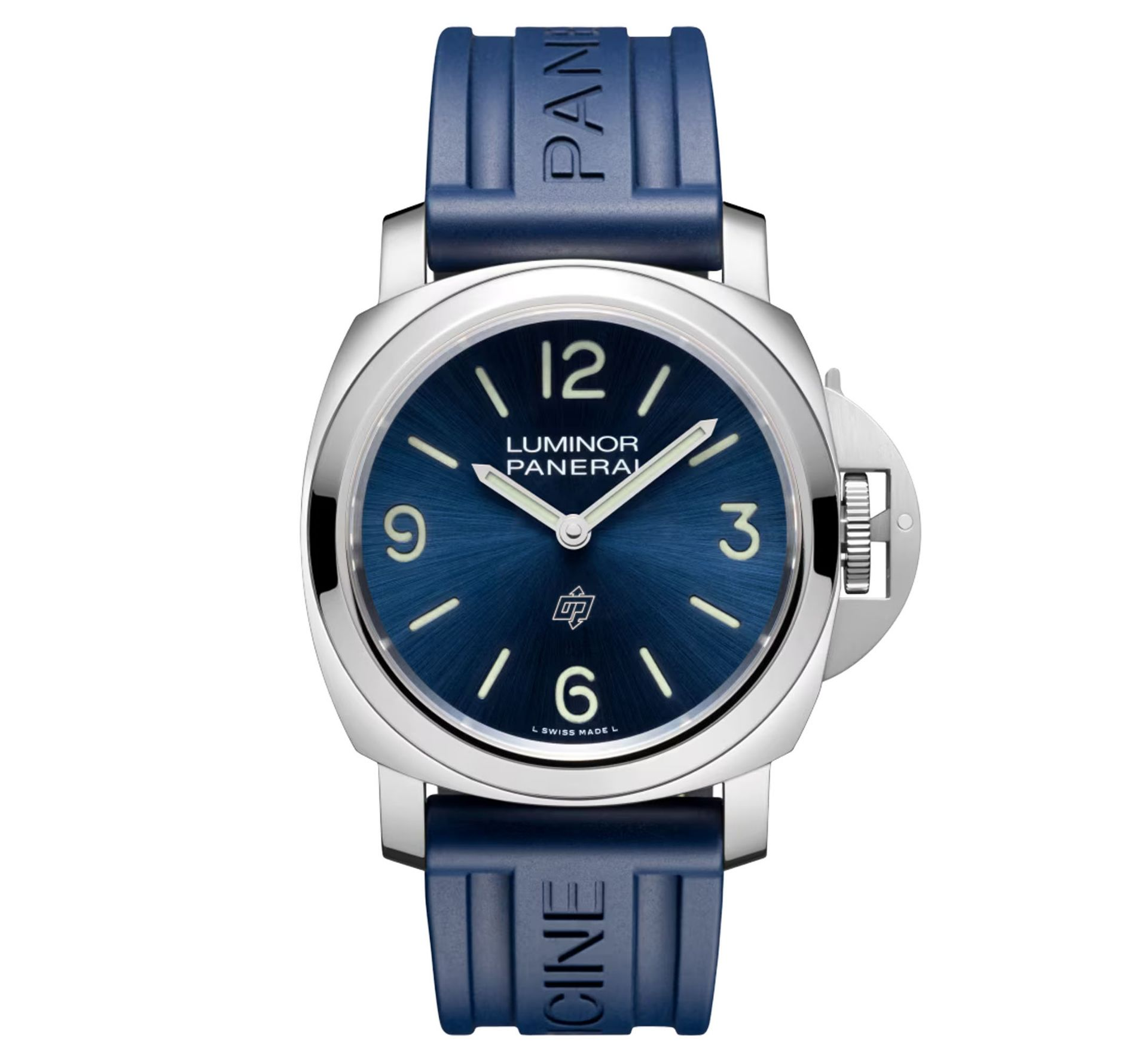
In the 1930s, not yet having its own production of cases and movements, Panerai turned to Rolex — long its dealer in Florence — to produce the first true wristwatch intended for the Navy's special units: the 47 mm cushion case that would become known as reference 3646, issued from the late 1930s to divers and, from the Second World War onward, to the raiders of the "Gamma" group of the Decima Flottiglia MAS on their most delicate underwater missions. In 1949 came the second great patented innovation, Luminor: a tritium-based self-luminous substance that replaced the radioactive Radiomir, followed in 1956 by the patent for the crown protected by a lever bridge, designed to be operated even with diving gloves and to isolate the crown from water pressure.
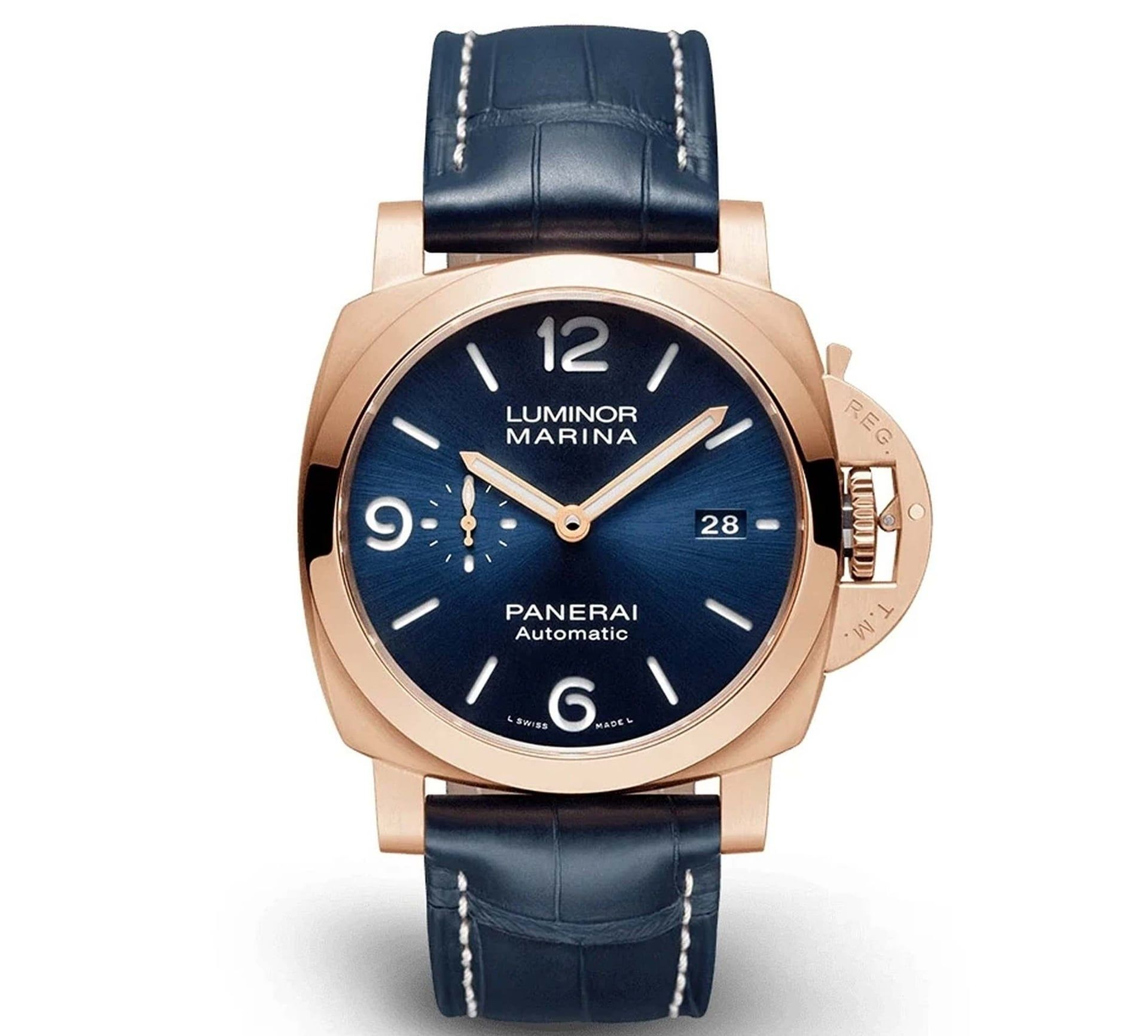
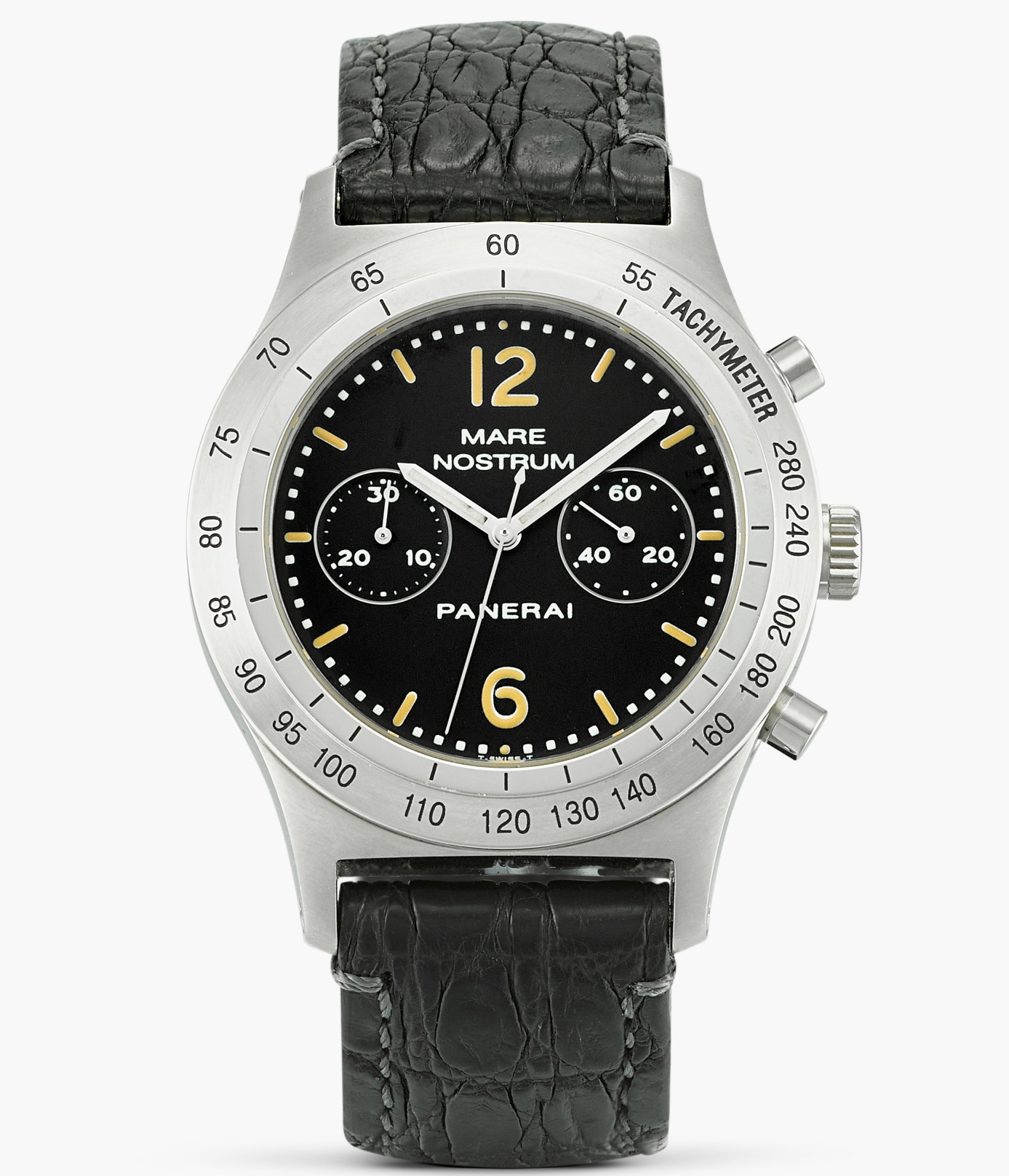
For decades Panerai remained an almost anonymous supplier of military watches, produced in very small series for the Italian Navy and, after the war, also for the Israeli and Egyptian navies, with an almost nonexistent commercial profile during the crisis of the 1980s. The turning point came on 10 September 1993, when in Florence the brand presented its first civilian collection in numbered editions — including the first reissues of the Luminor, Luminor Marina and Mare Nostrum — and found an unexpected ally in the United States in Sylvester Stallone, who wore a Luminor in the film "Daylight" (1996) and became a personal buyer and supporter, fueling a demand that led in March 1997 to the acquisition of the brand by the Richemont group. Since 2002 production has been based permanently at the new manufacture in Neuchâtel, where Panerai develops its own in-house calibers (starting with the P.2002 in 2005) while continuing to claim, in every communication, its Florentine roots and its history as a supplier to the Italian Navy.
What Sets It Apart
The Watch Lines