
Richard Mille
Brand History
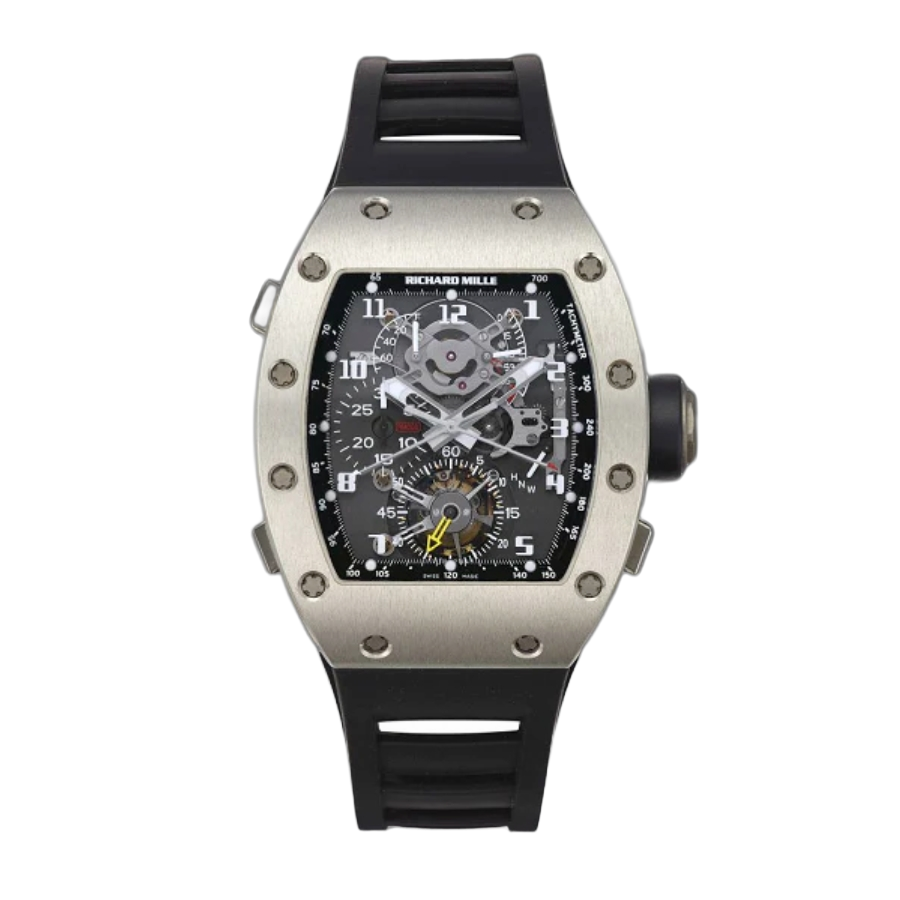
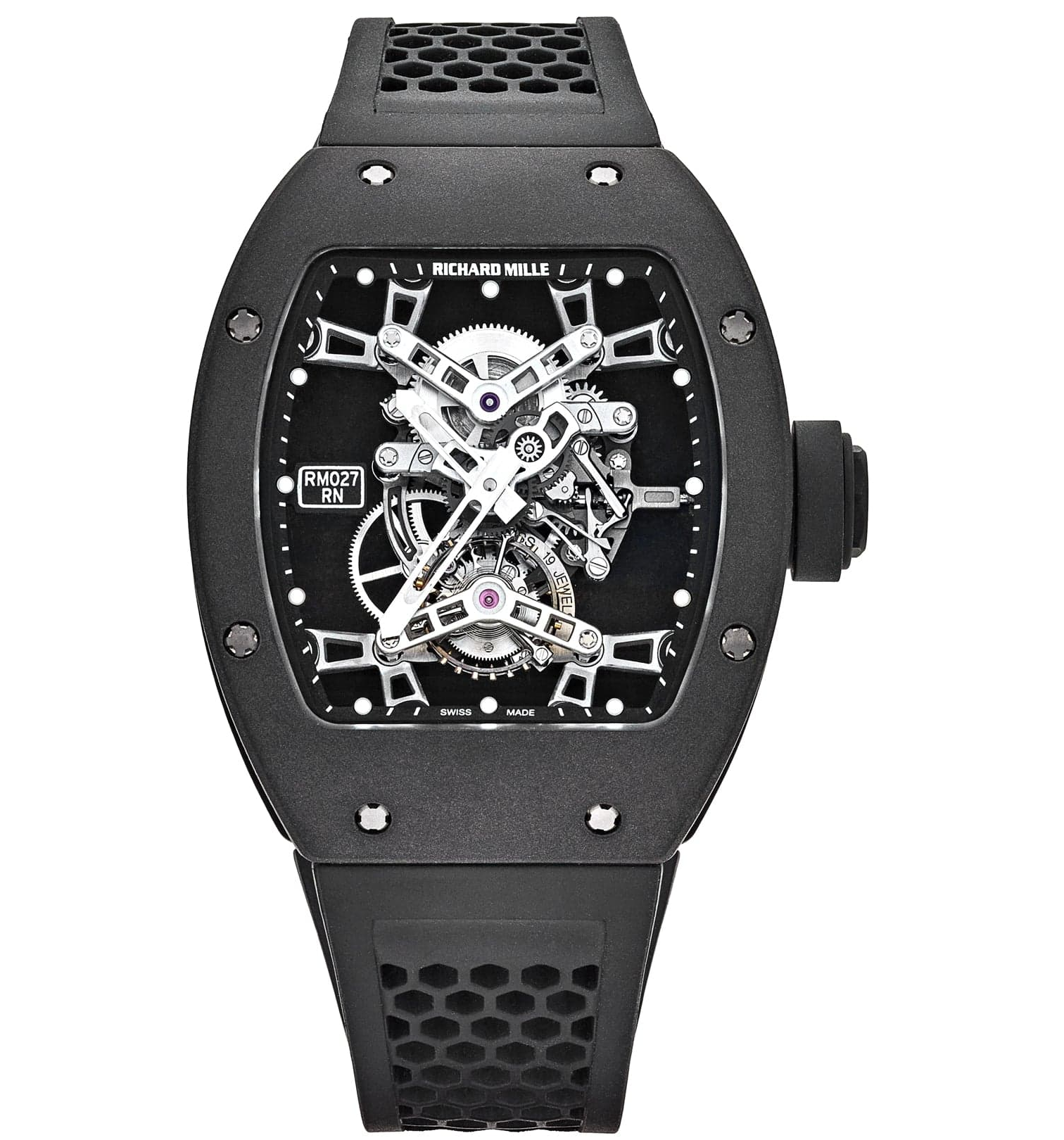
Richard Mille builds his own manufacture at fifty after a long career in the watch and jewelry industry: born in 1951 in Draguignan, France, he studied marketing in Besançon, worked from 1974 at Finhor, ran the watch activities of the Matra group (the Yema and Cupillard Rième brands) after Finhor's acquisition in 1981, and then led watchmaking at the jeweler Mauboussin from 1992. In 1998 he presents his project to Dominique Guenat, owner of the Montres Valgine manufacture, whom he had already known for ten years: together, with the involvement of the fine watchmaking manufacture Audemars Piguet and the complications workshop Renaud et Papi for the development of the first calibers, they found the operating company Horométrie SA, registered in October 2001. The first watch, the RM 001 Tourbillon, debuts that same year at Baselworld with a theatrical demonstration — the watch is dropped on stage to prove its resistance — which instantly cements the brand's identity.
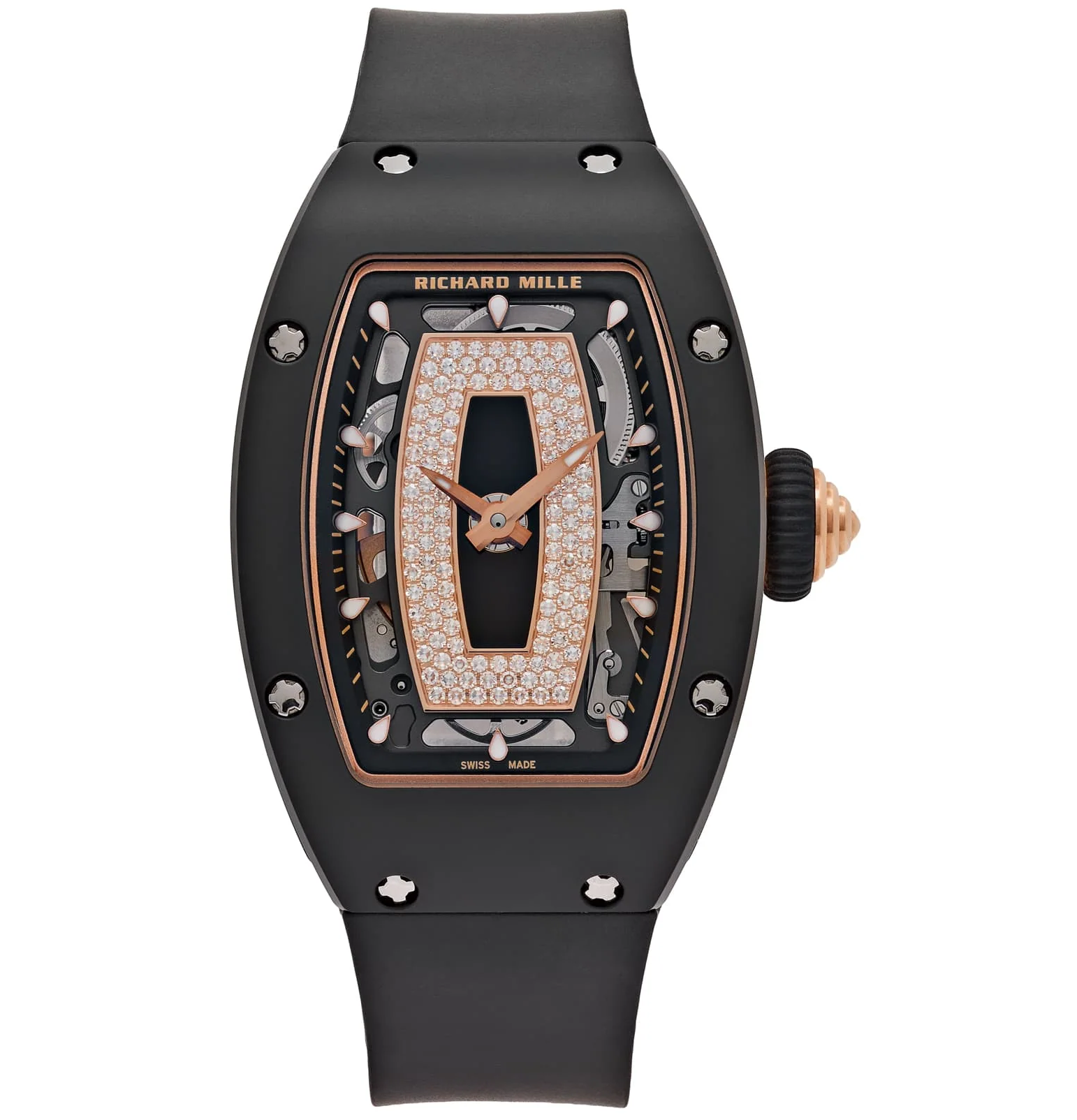
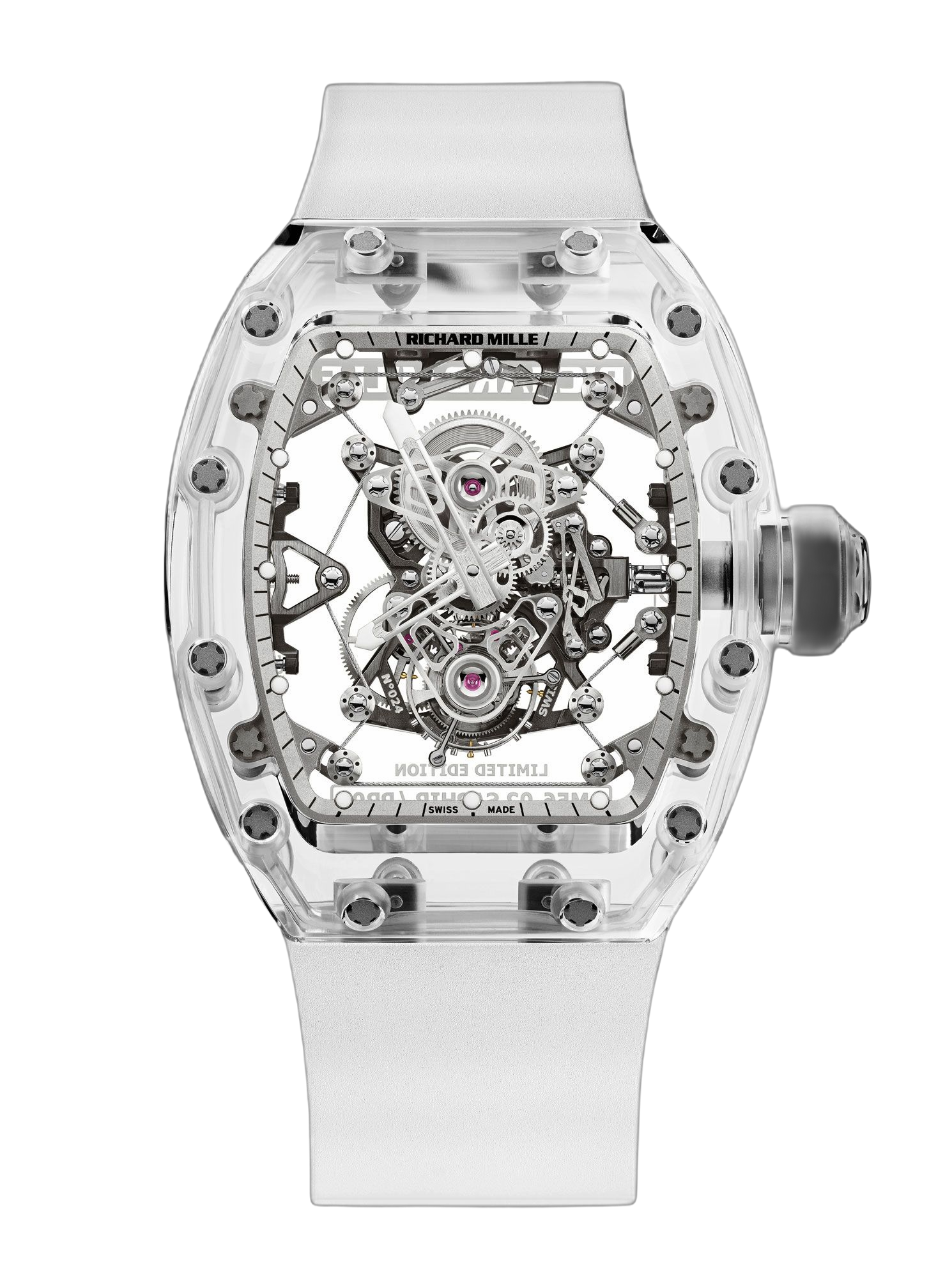
From the outset the stated philosophy is to build "a racing machine for the wrist": visible mechanisms, skeletonized bridges, a square tonneau case and a technical vocabulary borrowed from Formula 1, aerospace and motorsport. Audemars Piguet acquires a minority stake in the brand in 2007; in 2013 Mille and Guenat turn down a proposed 51% acquisition by the Kering group, keeping the company under private control, and in the same year take over 90% of ProArt, a case and component specialist. The Richard Mille group remains organized today around several companies — Horométrie (distribution), Guenat SA Montres Valgine (design and assembly) and ProArt (components) — with its main headquarters in Les Breuleux, in the Swiss Jura.
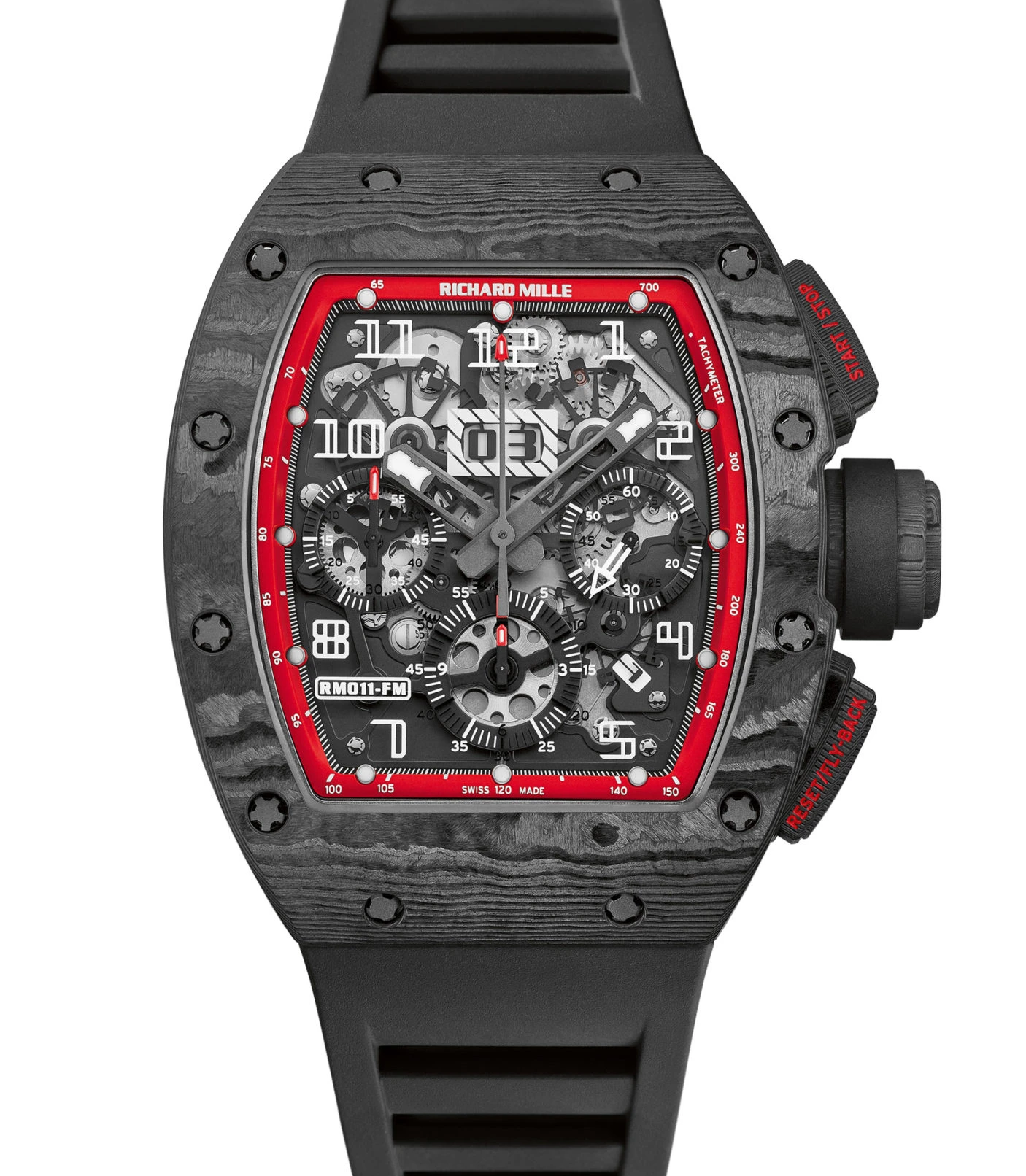
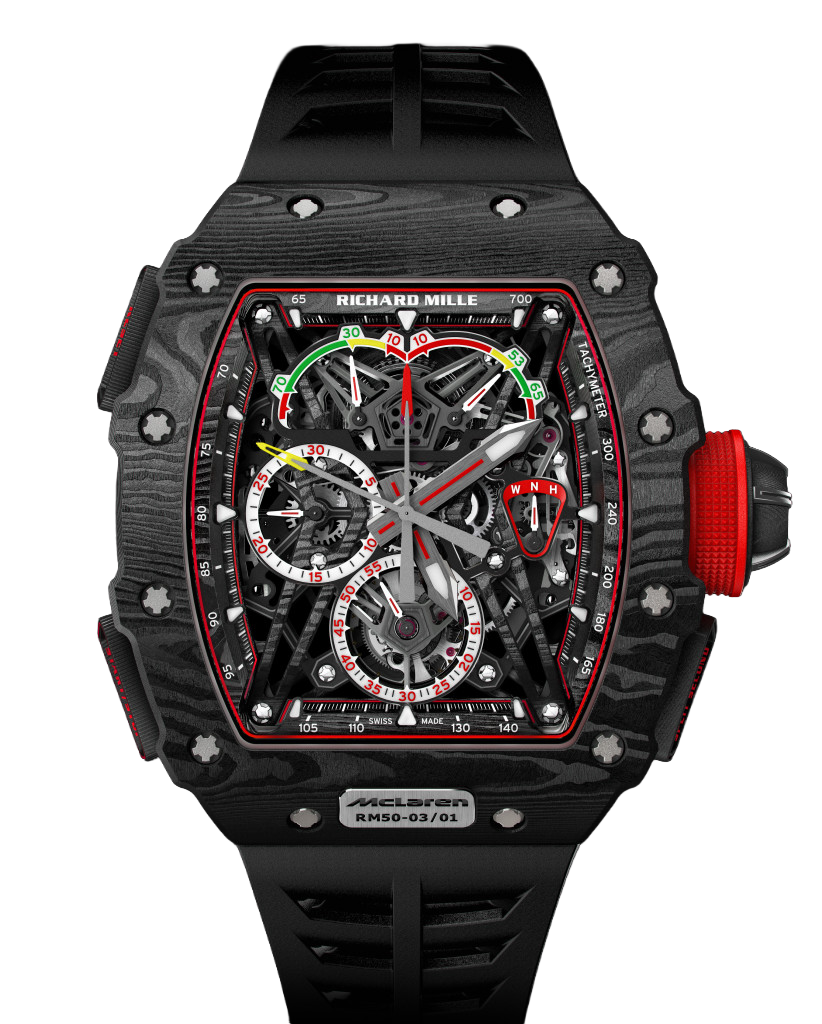
Production remains deliberately limited and clients are followed directly: according to figures released by the brand, between 2001 and 2017 about 32,000 watches were sold, with average sales growth of around 15% a year, for a production that in 2018 stood at around 4,800 units a year. Its positioning is that of the ultra-luxury segment: prices starting at several hundred thousand euros and reaching, for the most extreme pieces and for the Only Watch charity sales, several million. The brand has also become a benchmark in the development of composite materials for watchmaking — from grade 5 titanium to Carbon TPT and NTPT made with North Thin Ply Technology (already used in Formula 1), through to the Quartz TPT introduced in 2015 and the graphene-based Graph TPT of 2017 — often developed alongside sporting partnerships with tennis players, Formula 1 drivers and teams such as McLaren and Ferrari.
What Sets It Apart
Main Lines