
Stowa
Brand history
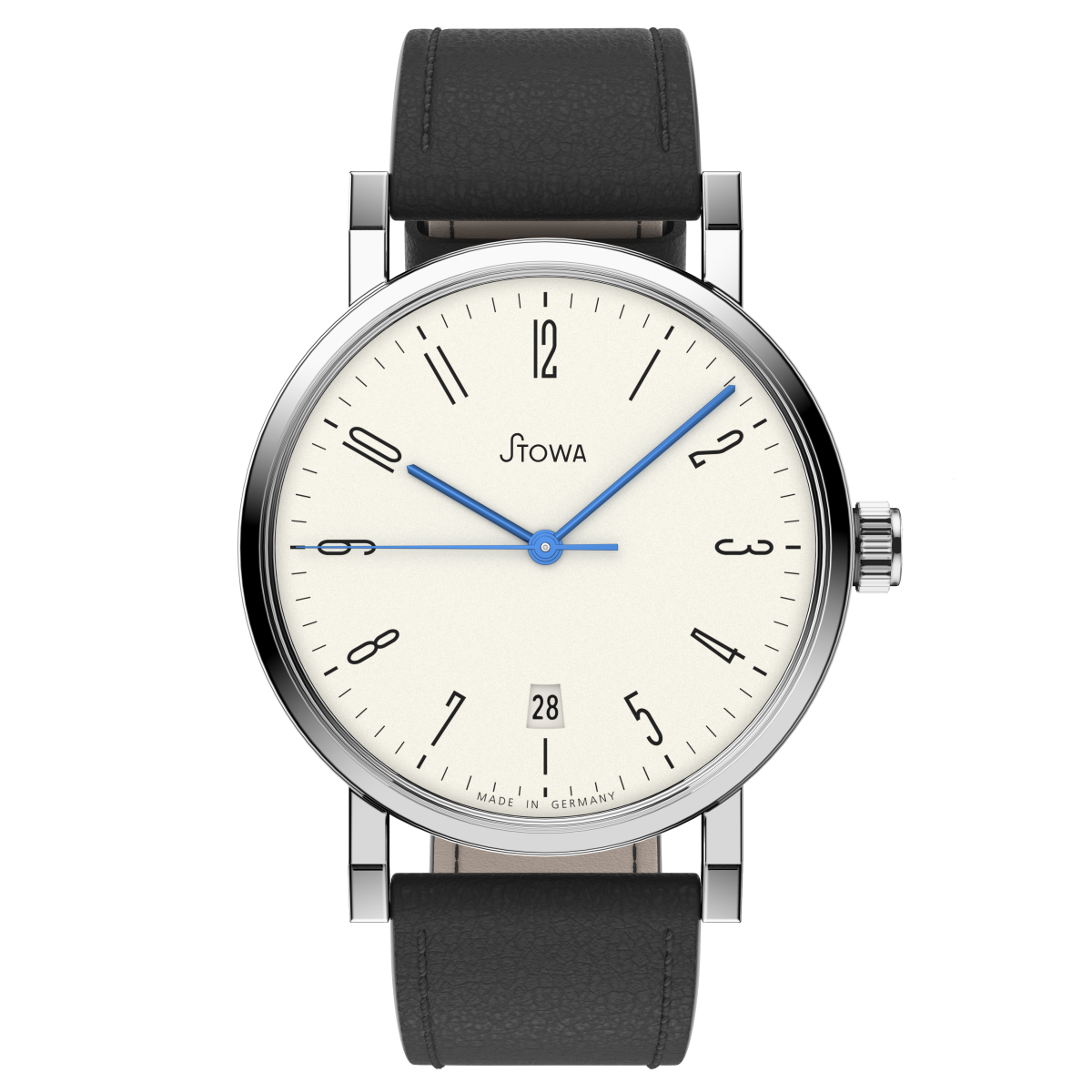
Stowa was born in 1927 in Hornberg, in the Black Forest, on the initiative of Walter Storz: the brand's name is an acronym combining the first letters of "STOrz" and "WAlter". In 1935 the company moved to Pforzheim, then a centre of the German watch industry, where in 1938 it acquired its own factory. It was in these years, between 1937 and 1938 according to the sources consulted (which do not fully agree on this detail), that Stowa made its first Bauhaus-style watches, with dials supplied by the Weber & Baral dial factory in Pforzheim: a design that would become, decades later, the basis of the Antea collection.
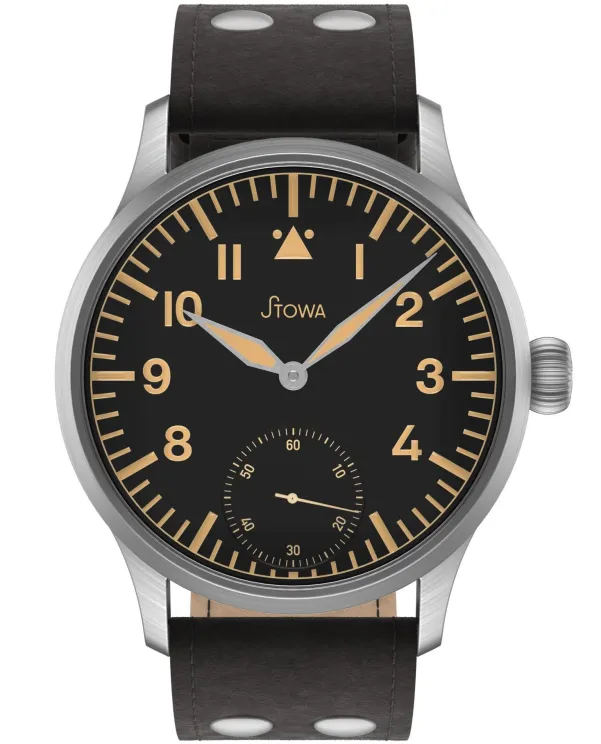
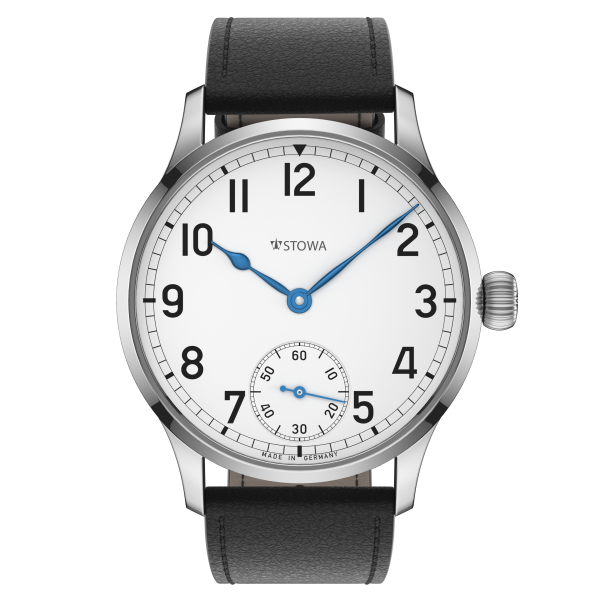
From 1939 Stowa entered wartime production, becoming one of only five companies authorised to build Beobachtungsuhren ("observation watches") for the Luftwaffe — together with A. Lange & Söhne, Laco, Wempe and IWC — and also making observation pocket watches for the German Navy. The Pforzheim factory was destroyed in a bombing raid in February 1945; production resumed in Rheinfelden, where a new factory was completed in 1951, while the Pforzheim site was rebuilt in 1954.
Werner Storz, the founder's son, ran the company from 1960 to 1996, when Stowa was acquired by watchmaker Jörg Schauer. Schauer set out a relaunch strategy based on recovering the brand's historic archives — from the military Flieger to the Bauhaus Antea and the Marine observation watches — reinterpreting them for the contemporary market. On 1 July 2021 ownership passed to Tempus Arte GmbH & Co. KG; in 2023 the company returned to Pforzheim, where it is still based today.