
Timex
Brand history
Timex's origins date back to 1854, when the Waterbury Clock Company was founded in Waterbury, Connecticut, making affordable clocks with brass mechanisms. After several corporate changes — including the Waterbury Watch Company in 1880 and, as the New England Watch Company from 1898, a period under the control of Robert H. Ingersoll & Bro. — in 1941 the company was bought by Norwegian shipowner Thomas Olsen and Joakim Lehmkuhl, who renamed it the United States Time Corporation in 1943. The Timex name, which had already appeared in 1945 on a small batch of watches made for nurses, officially debuted as a brand in 1950.
In the 1950s Timex built its identity around two pillars: affordability and toughness. TV journalist John Cameron Swayze became the face of the famous "torture test" commercials, in which Timex watches were subjected to impacts, immersion and vibration live on air to prove their reliability, giving rise to the famous slogan "Takes a licking and keeps on ticking". As early as 1933, moreover, an agreement with Walt Disney for watches with a Mickey Mouse dial had been one of the brand's first great commercial success stories. In 1969 the company finally took the name Timex Corporation.
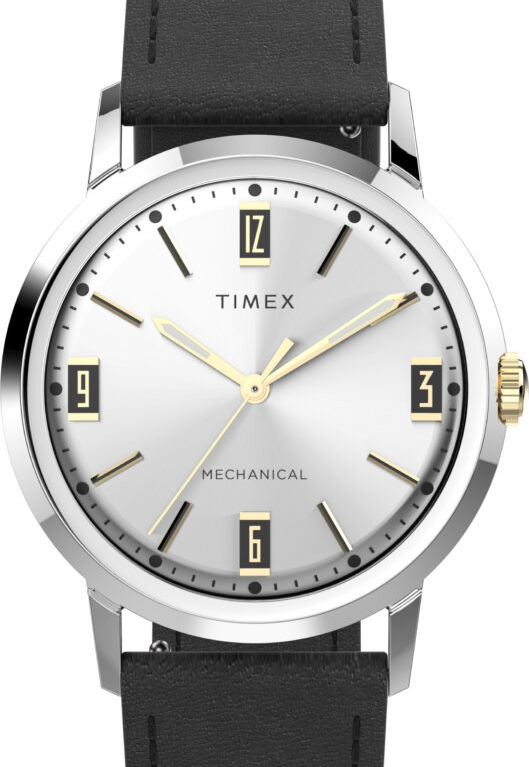
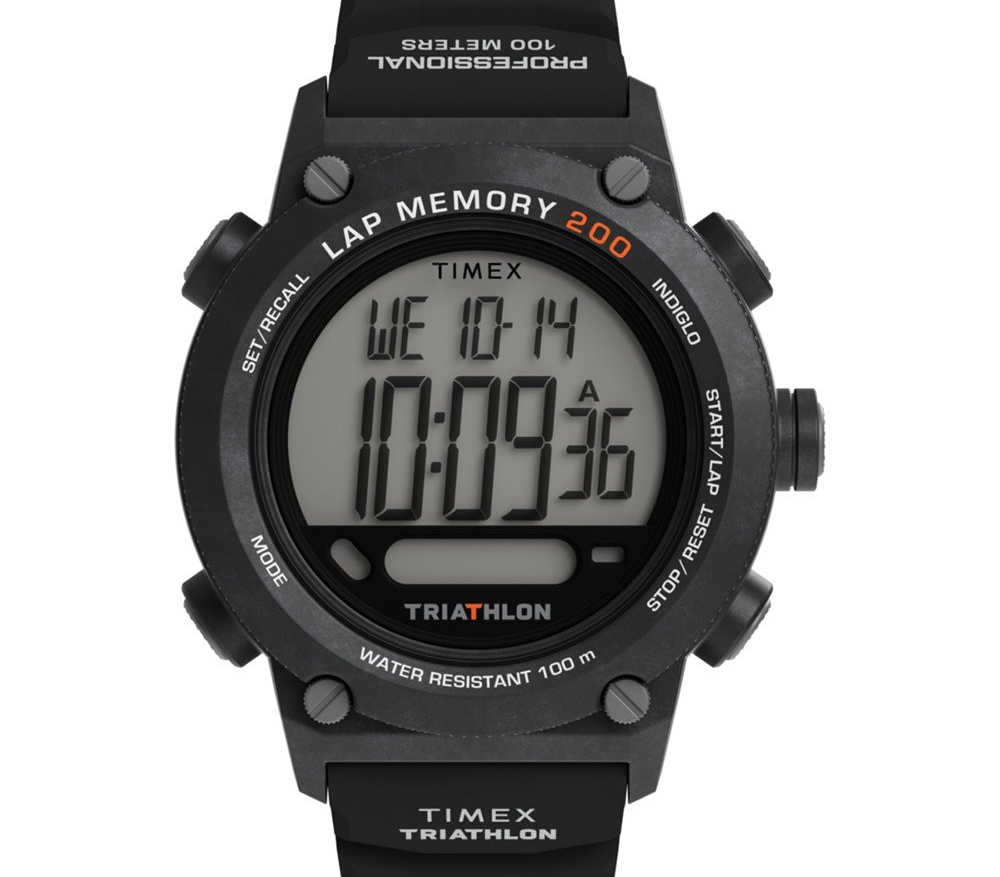
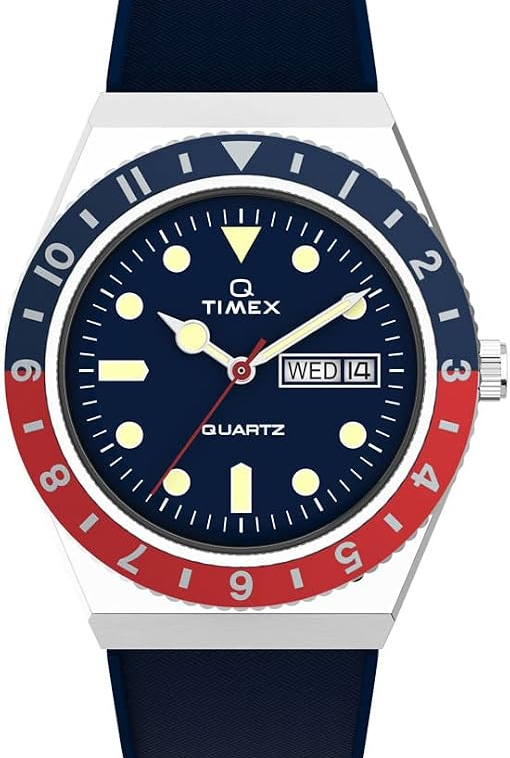
In 1992 Timex introduced Indiglo technology, an electroluminescent backlighting system that makes the dial readable in the dark at the press of a button: an innovation that became a hallmark of the brand, gaining further fame when it was used to find a way out in the dark during the 1993 World Trade Center bombing. Today Timex is part of Timex Group, headquartered in Middlebury, Connecticut, and alongside its contemporary collections offers faithful reissues of historic models such as the Marlin, Q Timex and Ironman.