
Casio
Brand History
Casio began as an electronics company, not a watchmaker. In 1946 engineer Tadao Kashio opened a small precision-machining workshop in Mitaka, on the outskirts of Tokyo; he was soon joined by his brothers Toshio, Kazuo and Yukio, and in June 1957 the four formally founded Casio Computer Co., Ltd. to produce the 14-A, among the world's first electric calculators with a ten-key numeric keypad. Over the following two decades Casio established itself as one of the great global names in electronic calculators, developing deep expertise in large-scale integrated circuits (LSI) — the same technology that, in the early 1970s, would make the digital quartz wristwatch possible.
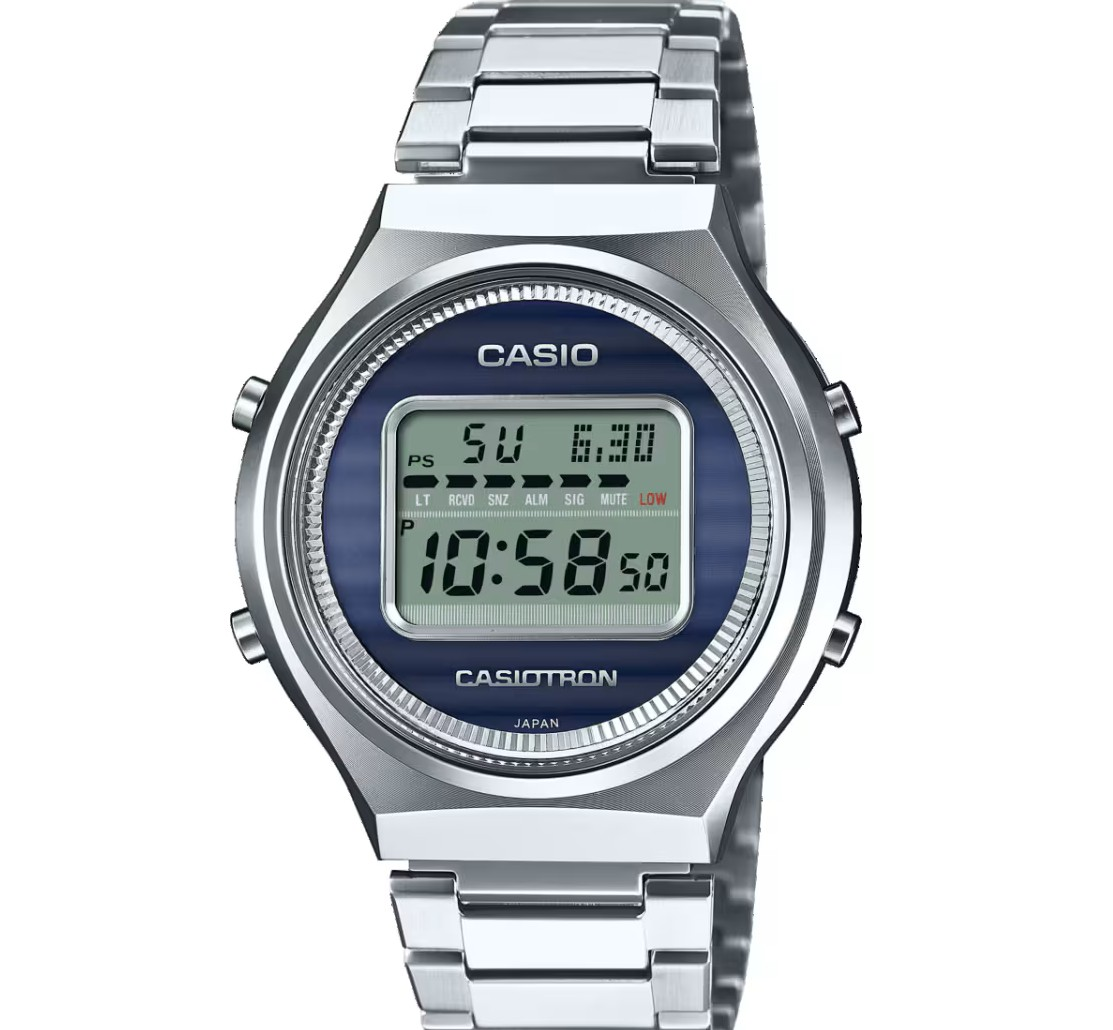
It was precisely this electronics heritage that led Casio, in November 1974, to its first watch: the Casiotron QW-02. Not just any product, but a watch that introduced what is commonly described as the world's first automatic calendar on a wrist quartz, able to recognize on its own the varying length of the months without needing manual correction (with the exception of leap years). The name itself, a fusion of "Casio" and "electron", announced the company's program: applying to watchmaking the same digital engineering it used to build calculators, just as traditional Swiss industry was being shaken by the so-called quartz crisis. From that moment Casio carved out, alongside a handful of other Japanese companies, a leading role in the mass-market quartz revolution.
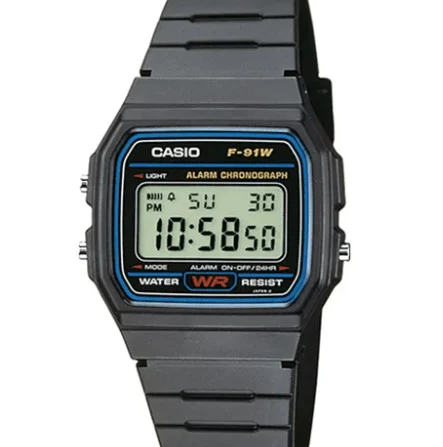
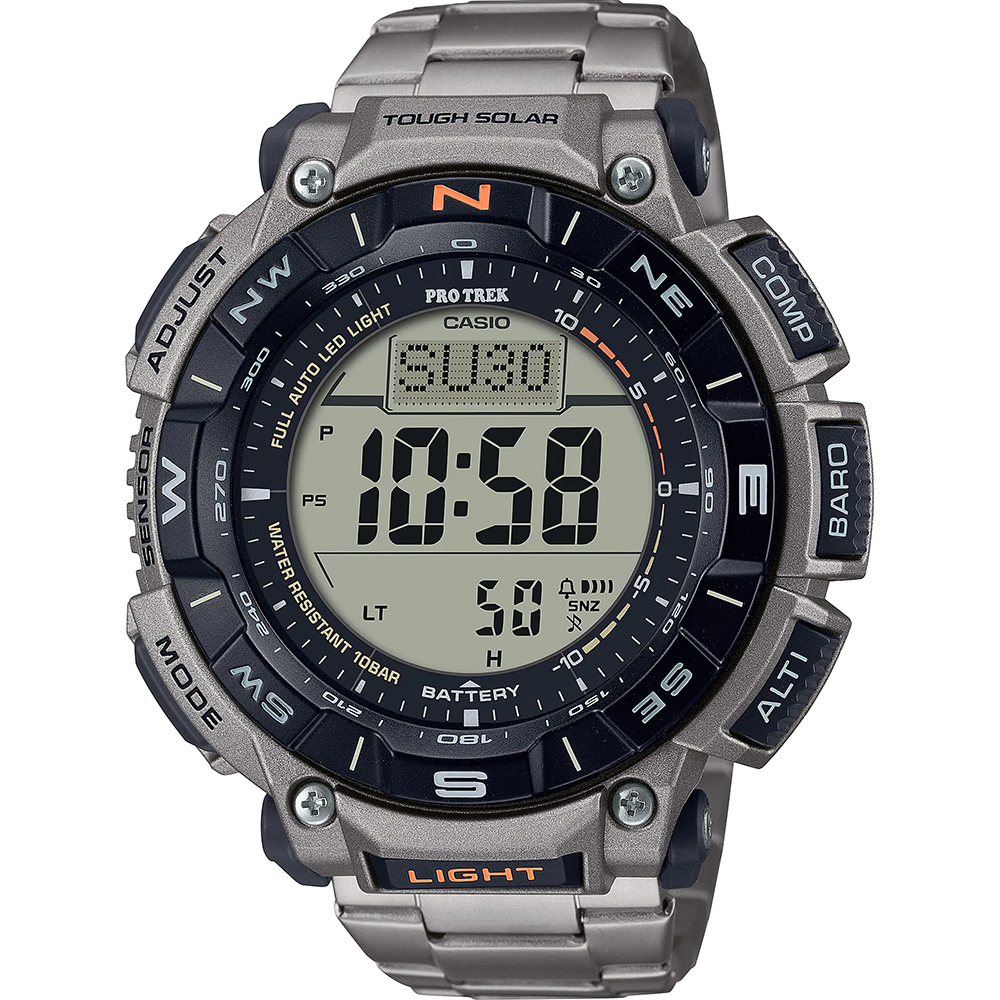
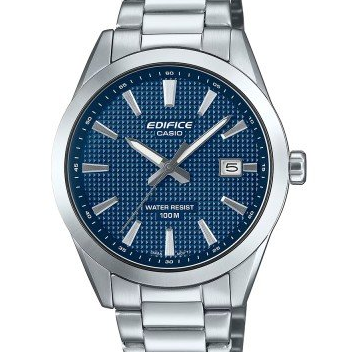
In the decades that followed, Casio channeled this electronic identity into very different directions: essential, extremely low-cost digital watches that became unintentional cult objects, outdoor instruments with integrated sensors, analog-digital chronographs with motorsport-inspired design, high-end solar-powered metal watches with radio-controlled reception aimed mainly at the Japanese domestic market. Alongside these, since 1983, sits the G-Shock line, a chapter so vast and self-contained that it merits separate treatment in Chronopedia. The thread running through the rest of the Casio catalogue has remained the same since 1974: not mechanical high watchmaking, but electronics applied to timekeeping, made accessible on a large scale.