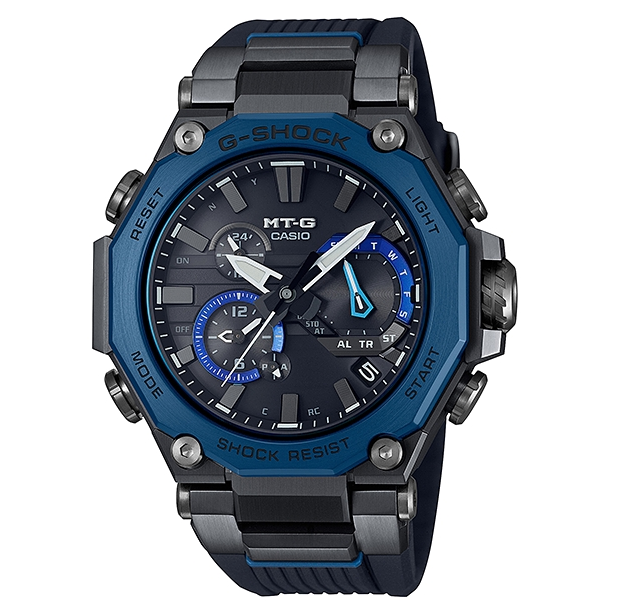

G-Shock
Brand History
G-Shock began as an internal Casio project but grew, over the following decades, into a brand with its own distinct identity, separate from the rest of the parent company's watchmaking output: from the late 1990s Casio dedicated separate websites, flagship stores and independent campaigns to it, effectively treating it as a brand apart while still owning it outright. Its origin traces back to the work of engineer and designer Kikuo Ibe, who in 1981 formed a small group inside Casio informally called the "Project Team Tough", with the goal of building a watch able to survive drops and impacts that would have destroyed any timepiece of the era.
The idea came from a personal episode: as a boy, Ibe had received a watch as a gift from his father and broken it by dropping it in the street. The regret over that episode drove him, years later, to ask a simple yet ambitious question: why does a watch have to be fragile? For two years the team tested hundreds of solutions, eventually throwing more than 200 prototypes out of the second-floor restroom window of the Casio offices to test their resistance. The breakthrough came while watching a child playing with a rubber ball in a park: from that image came the idea of a "floating" module inside the case, protected by layers of shock-absorbing material instead of being rigidly fixed, exactly like the elastic core of a ball.
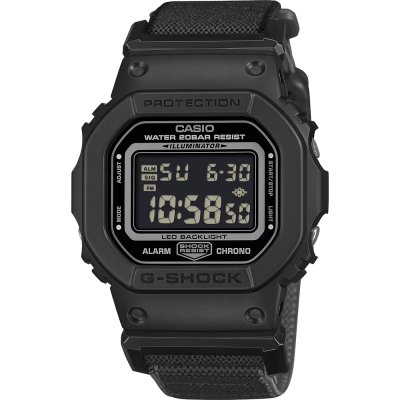
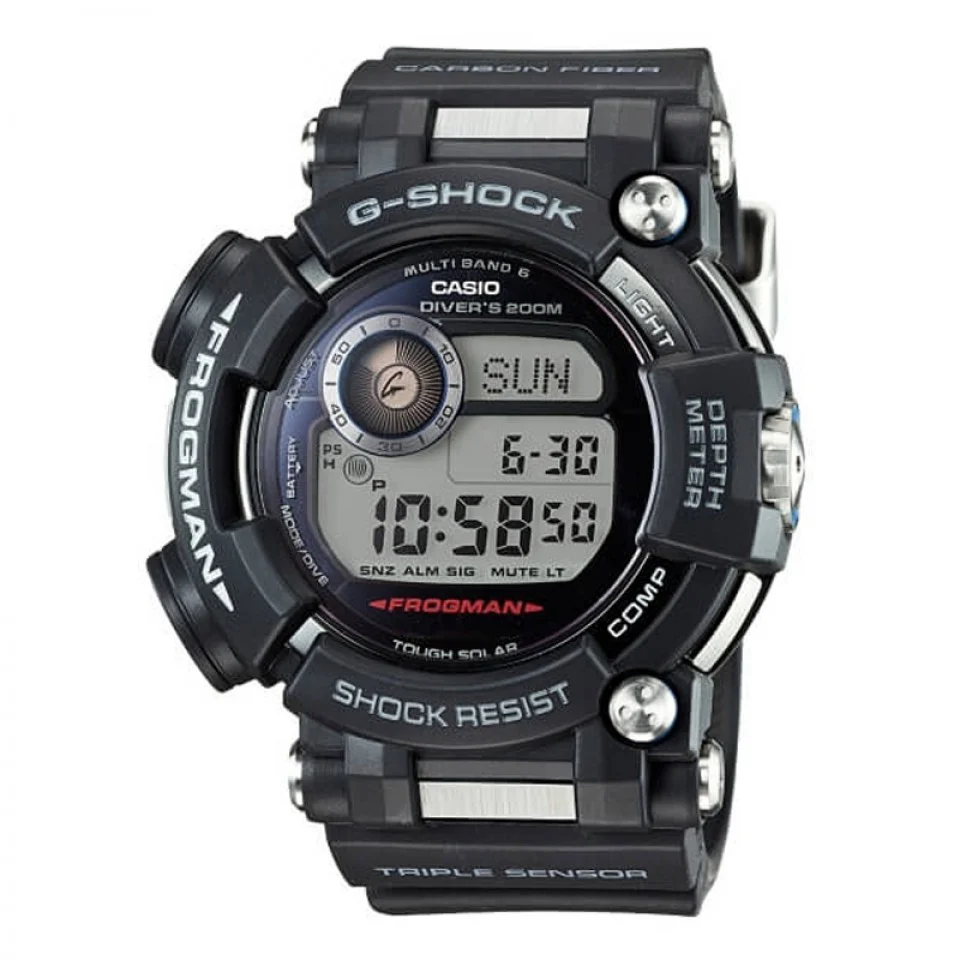
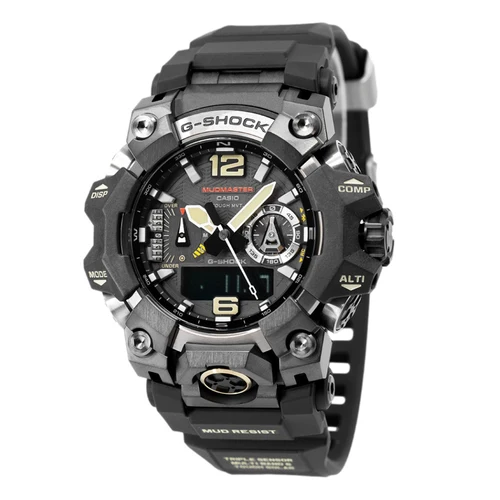
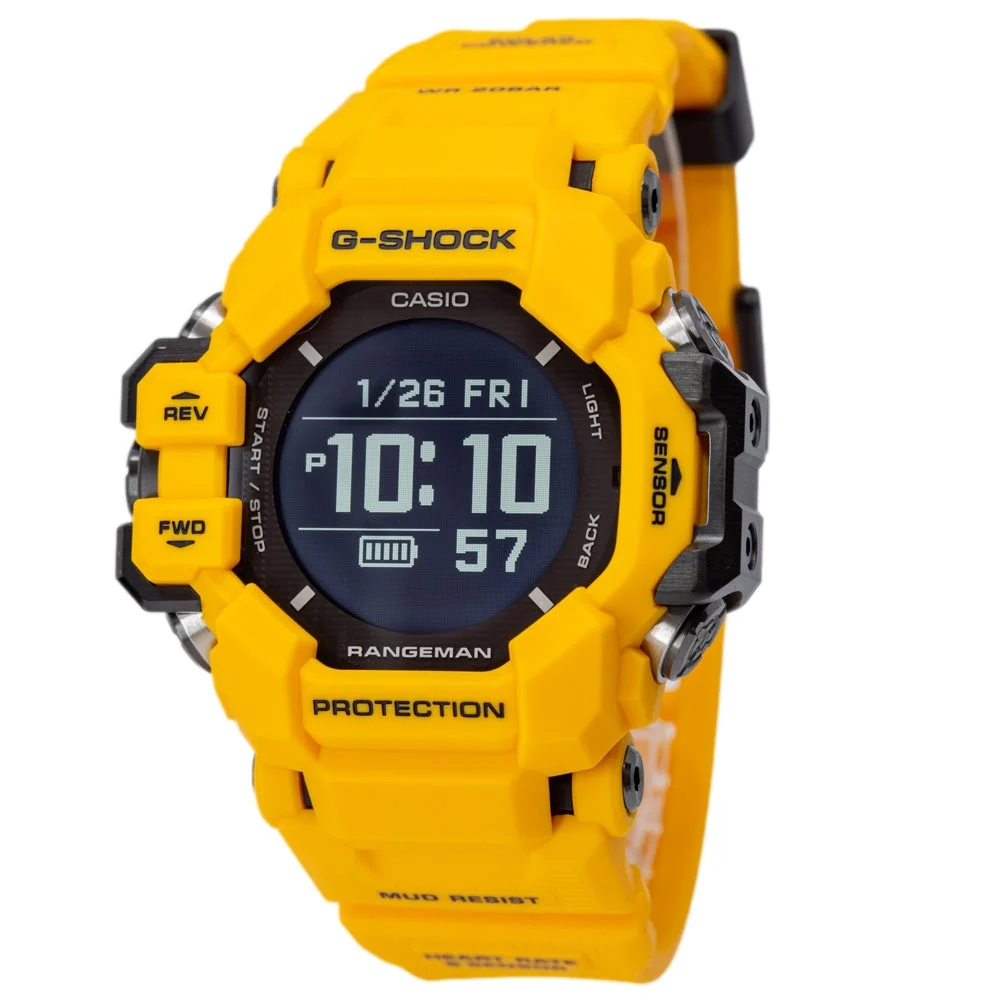
The result, the 1983 DW-5000C, launched a line that over the years has multiplied into dozens of different families — from diving models to high-altitude chronometers, from precious-metal versions to collaborations with fashion and streetwear brands — all while staying true to a single founding principle: absolute toughness as an identity trait, even before an aesthetic one.