
Hublot
Brand History
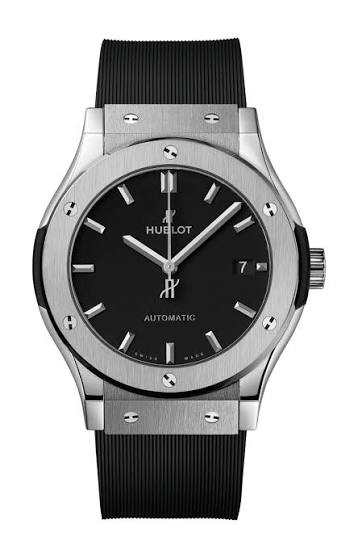
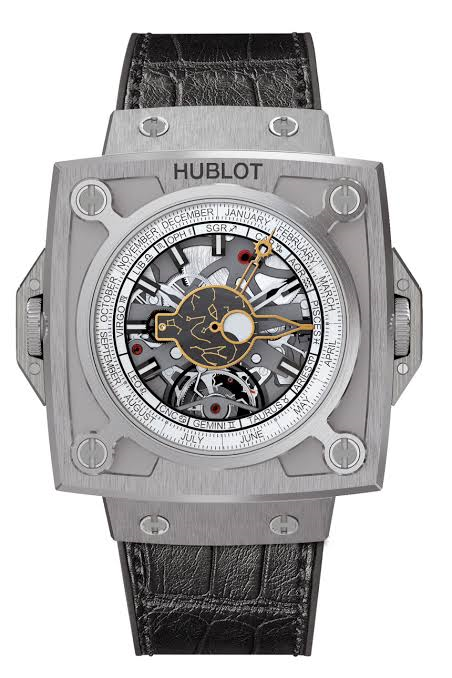
Hublot was founded in 1980 in Nyon, on Lake Geneva, on the initiative of Carlo Crocco, an entrepreneur connected to the founding family of the Binda group (owner, among others, of the Breil brand). Crocco left the family business, moved to Switzerland and founded MDM Genève with the goal of creating a watch radically different from everything the Swiss market was offering at the time. The chosen name, "Hublot", takes up the French term for "porthole", the circular hatch found on ships, and it is precisely the rounded shape of the case, with its bezel featuring exposed screws, that explicitly evokes a nautical aesthetic.
The idea that made the brand famous from its debut is the pairing, on the first Classic model, of a gold case with a natural rubber strap: a combination unheard of at the time, the result of about three years of research to find a rubber able to adhere stably and durably to the precious metal. This is the birth of the concept Hublot would call "Art of Fusion," the guiding principle that has accompanied every collection of the brand ever since: the often bold union of noble materials with technical or unexpected ones. Presented at the 1980 Basel fair with no clients in its portfolio, the Classic became a commercial success story, generating over two million dollars in sales in its first year.
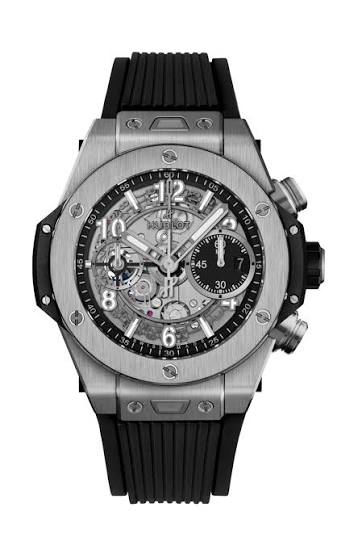
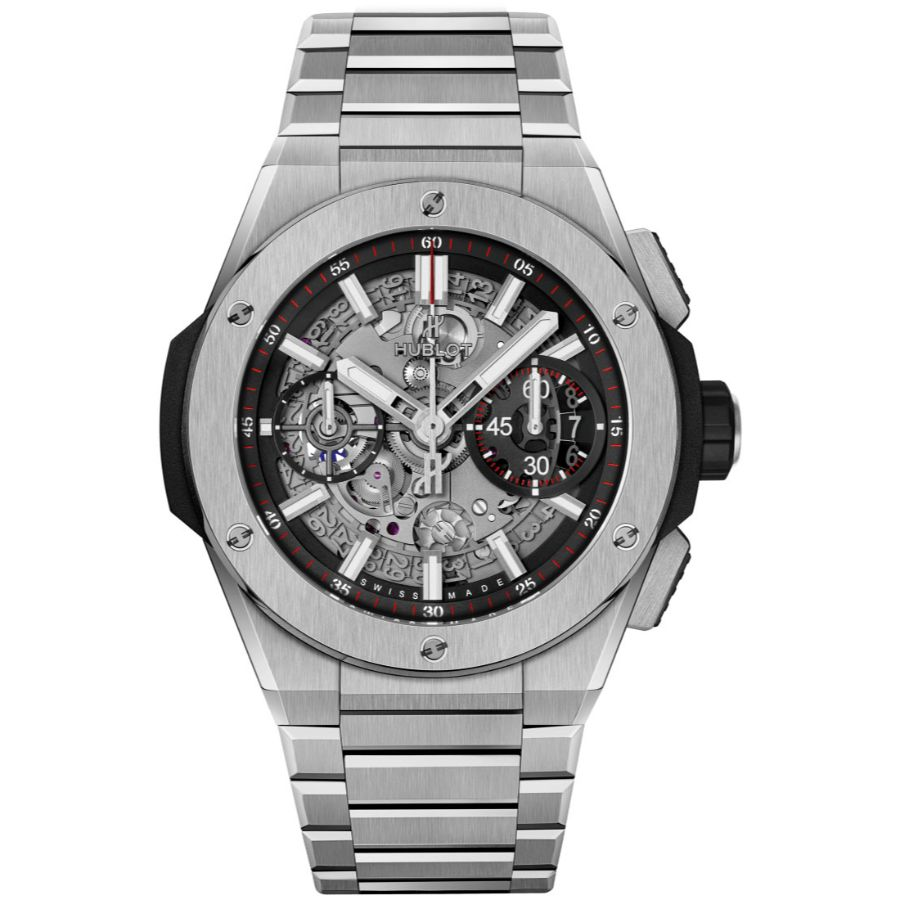
After a phase of growth and a subsequent downturn between the late 1990s and the early 2000s, the turning point came in May 2004, when Carlo Crocco brought in Jean-Claude Biver, a manager who had already revived Blancpain and Omega, to lead the company. In 2005 Biver introduced the Big Bang line, which applied the Art of Fusion to a chronograph with imposing, sporty lines, capable of tripling orders within a year and bringing the brand back into the international spotlight. In April 2008 Hublot joined the LVMH group, and in the following years consolidated its image through high-profile sports sponsorships: official timekeeper of the FIFA World Cup from 2010 (South Africa) to today, Formula 1 partner since 2010, and sponsor of football clubs and competitions such as Manchester United, Juventus, the UEFA Champions League and the Premier League.