
Poljot
Brand History
Poljot's story begins in 1930, when the Soviet Union decided to build its own watch industry by purchasing machinery and know-how from the recently bankrupt American Dueber-Hampden Watch Company of Canton, Ohio, together with equipment from the Ansonia Clock Company of Brooklyn. Twenty-eight railcars of equipment were shipped to Moscow to set up what became the First State Watch Factory, later renamed the First Moscow Watch Factory after its wartime evacuation to Zlatoust and subsequent return to the capital. Over time this factory produced the Kirovskie brand and, from 1947, the Pobeda; in 1961 the same plant also produced the Sturmanskie, the watches worn by Yuri Gagarin during history's first spaceflight — a brand that, it should be noted, later followed a separate and distinct corporate path from Poljot.
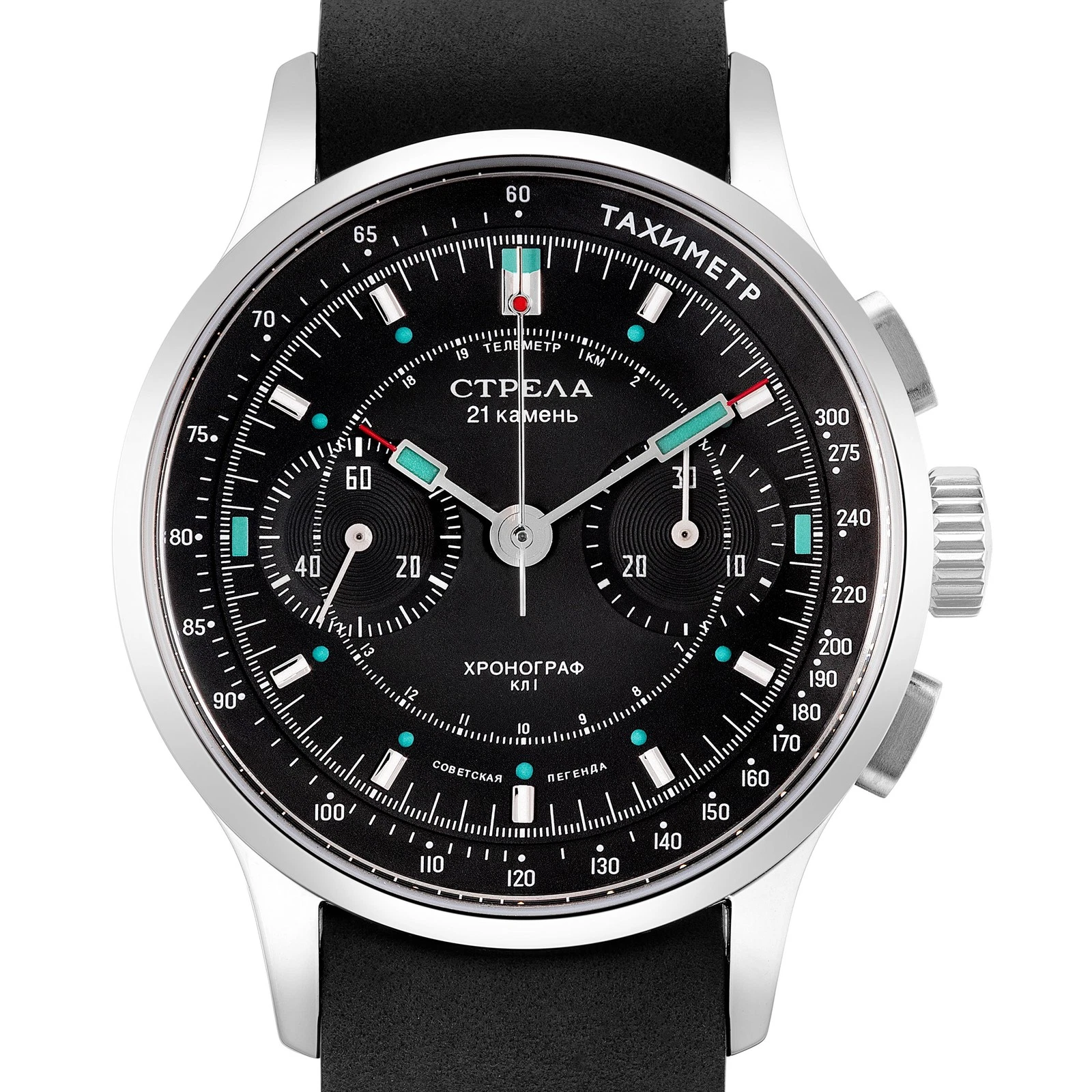
The name "Poljot" — which means "flight" in Russian — was adopted in 1964 precisely in honor of Gagarin's feat, and became the brand under which the Moscow factory presented itself to the world for the following four decades. In 1965 the Strela chronograph was born, worn by cosmonaut Alexei Leonov during history's first spacewalk; in the 1970s the company then developed the manual caliber 3133, adapting components and design elements from the Swiss Venus 150/188 and Valjoux 7734 calibers without limiting itself to a simple copy. Widely available from 1983, the 3133 established itself as the standard manual chronograph for Soviet military pilots and for the space program, and remains to this day the brand's most identifiable caliber.
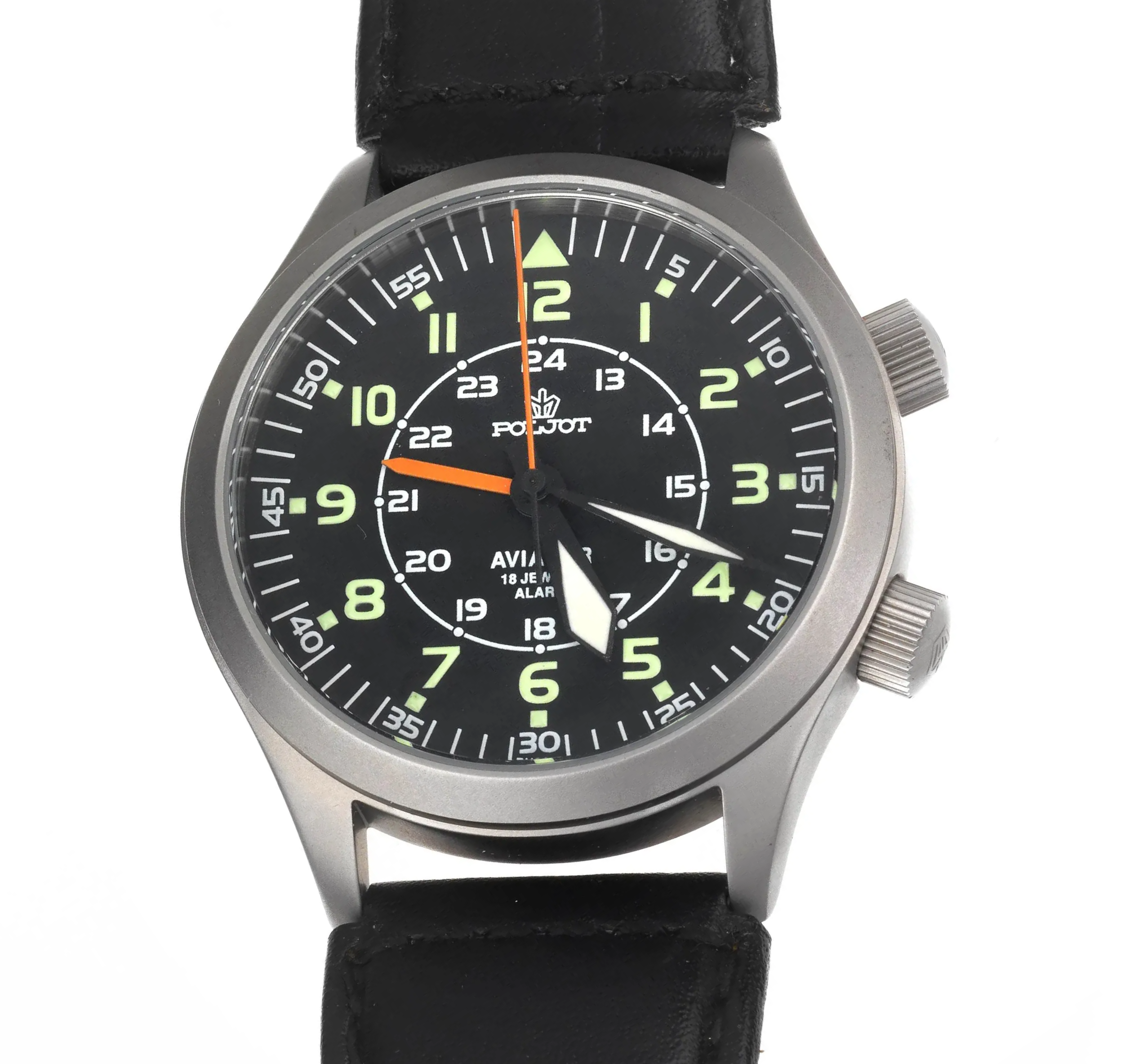
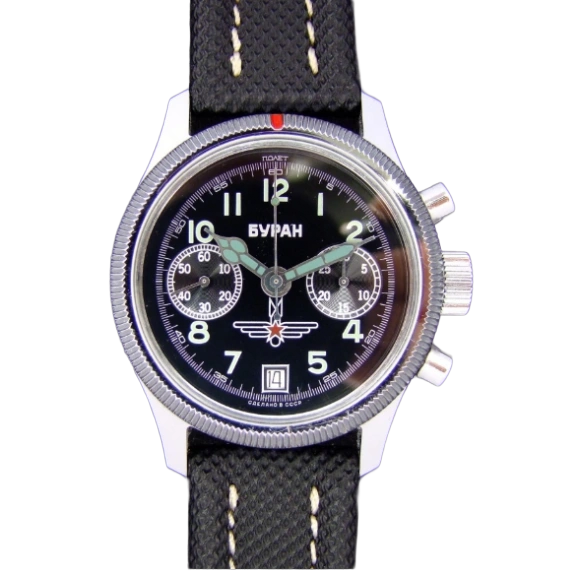
The end of the Soviet Union brought with it years of growing economic difficulties, up to the historic factory's bankruptcy in 2004. From that point on, the Poljot name and legacy fragmented among different parties: production of the 3133 caliber and the Strela brand passed to MakTime, while a group of former employees formed Volmax, which acquired the First Moscow Watch Factory together with the Sturmanskie, Buran and Aviator brands, moving part of production outside Russia (to Germany and Switzerland) and in some cases distancing the products' aesthetic language from its Soviet origins. This is a complex corporate history that is not always possible to reconstruct precisely from available sources, and one that continues to generate confusion — and in some cases controversy — over who can legitimately claim the Poljot name today.