
Seiko
Brand History
It all begins in 1881, when 22-year-old Kintaro Hattori opens a small watch and jewelry shop in Tokyo, K. Hattori & Co., after years spent learning the watchmaker's trade by repairing imported clocks and pocket watches. In 1892 Hattori founds Seikosha ("the house of exquisite workmanship"), the factory that will launch in-house production: first clocks, then, in 1895, the first pocket watch produced entirely in-house. In 1913 the Laurel is released, the first wristwatch made in Japan, and in 1924 the word "Seiko" appears for the first time on a dial — a name chosen, according to company tradition, as an alternative to "Glory", considered awkward to pronounce — which will become the brand under which the company presents itself to the world.
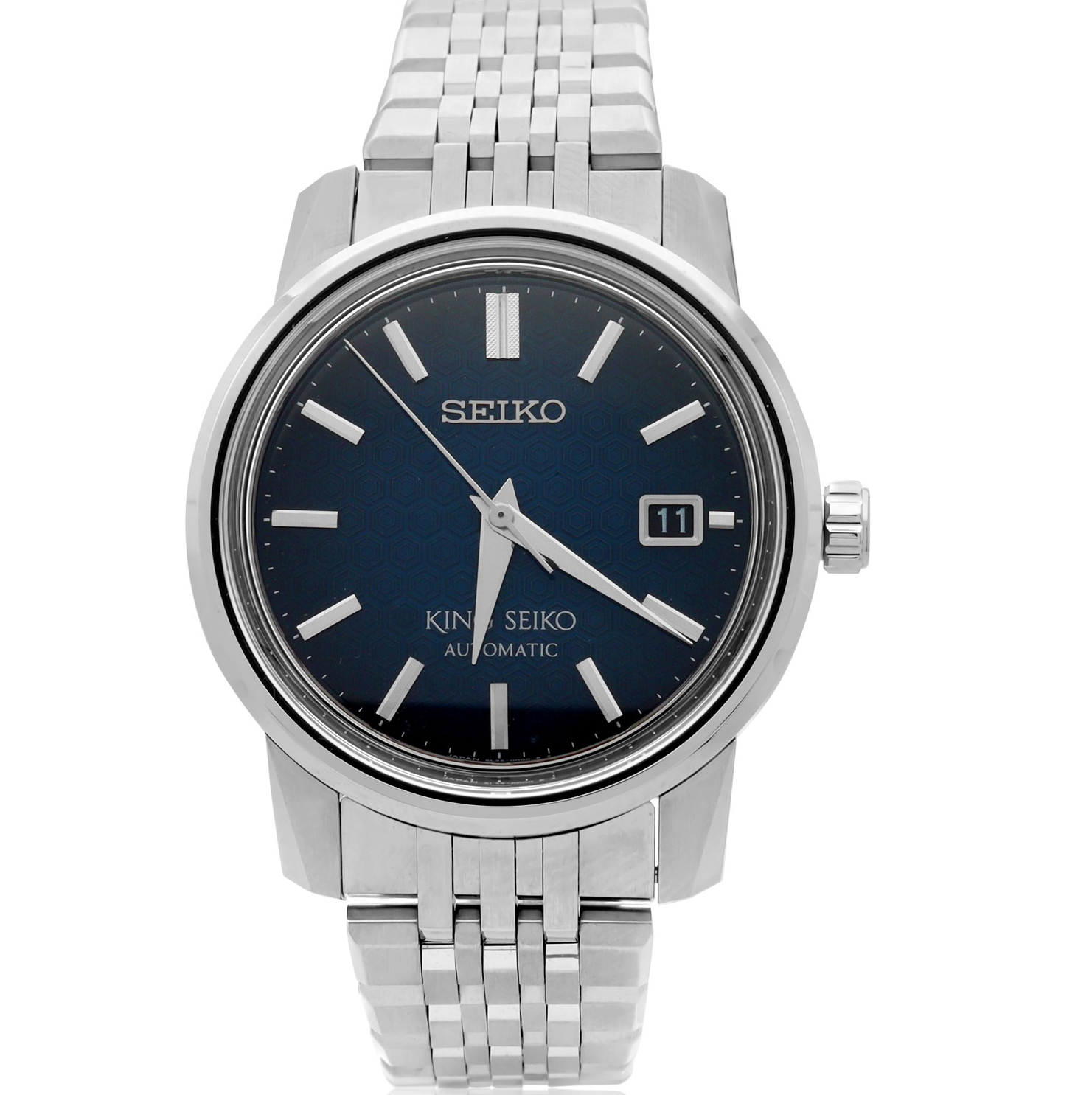
After Hattori's death, the group's watch production is organized into two historically distinct and to some extent competing plants: Daini Seikosha, Seikosha's watch division made independent in 1937 (later Seiko Instruments), and Suwa Seikosha, born in 1959 from the wartime relocation of part of production to Nagano prefecture. This internal duplication, often described as a genuine competition between teams of engineers, is behind two of the house's most ambitious projects: Daini Seikosha's King Seiko (1961) and Suwa Seikosha's Grand Seiko (1960), both conceived to bring Japanese precision and finishing to the level of Swiss high watchmaking.
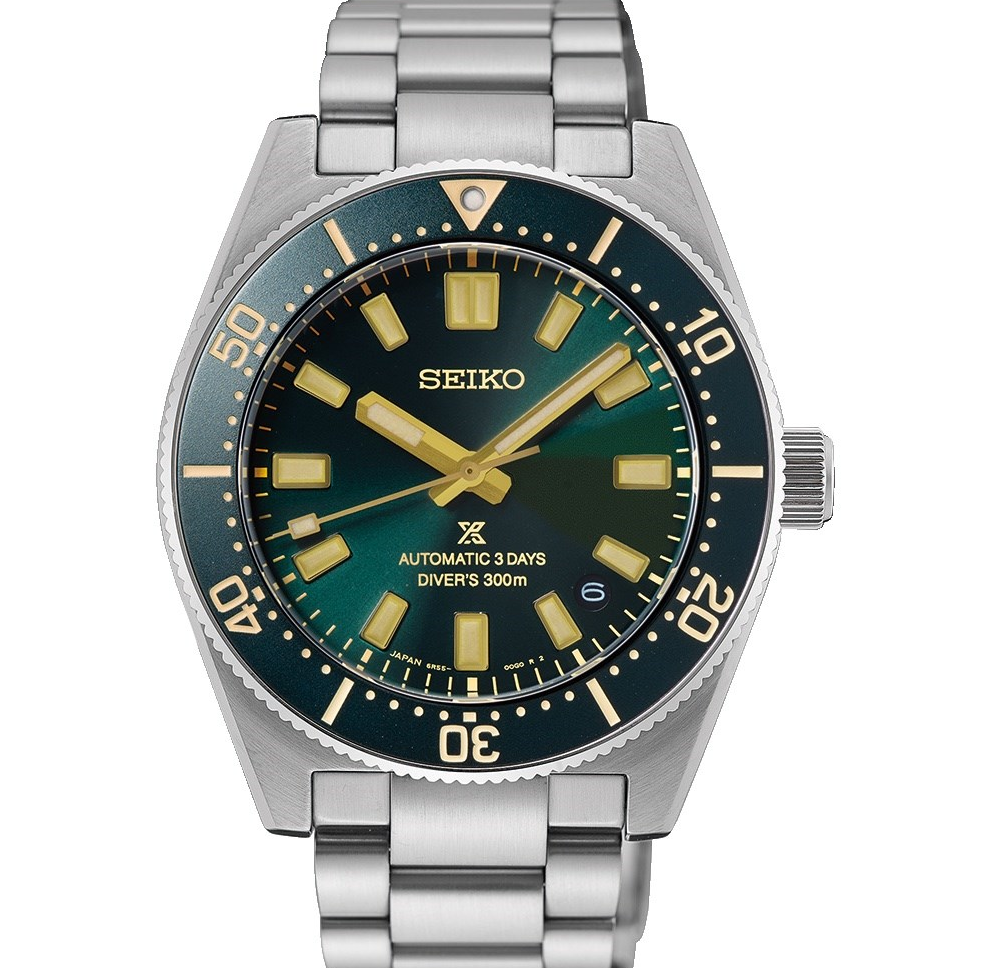
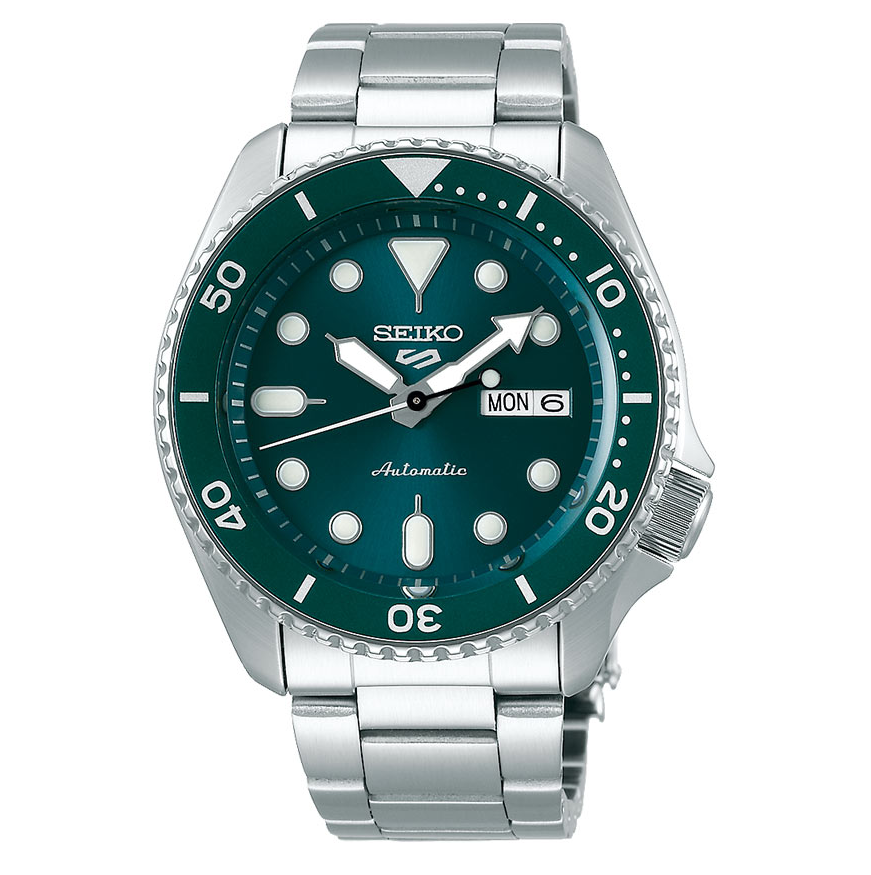
On December 25, 1969 Suwa Seikosha presents the Quartz-Astron 35SQ, the first quartz wristwatch in history: an event that earns Seiko the title of protagonist of the so-called "quartz crisis", the decade in which the traditional Swiss industry is profoundly shaken by the new Japanese electronic technology. In the same years the Seiko catalogue expands on opposite fronts: on one side the mechanical accessibility of the 5 line, launched in 1963 and made iconic from 1968 with the 5 Sports series; on the other, the first professional dive references, starting with the 62MAS of 1965, forerunner of what would become the Prospex family.
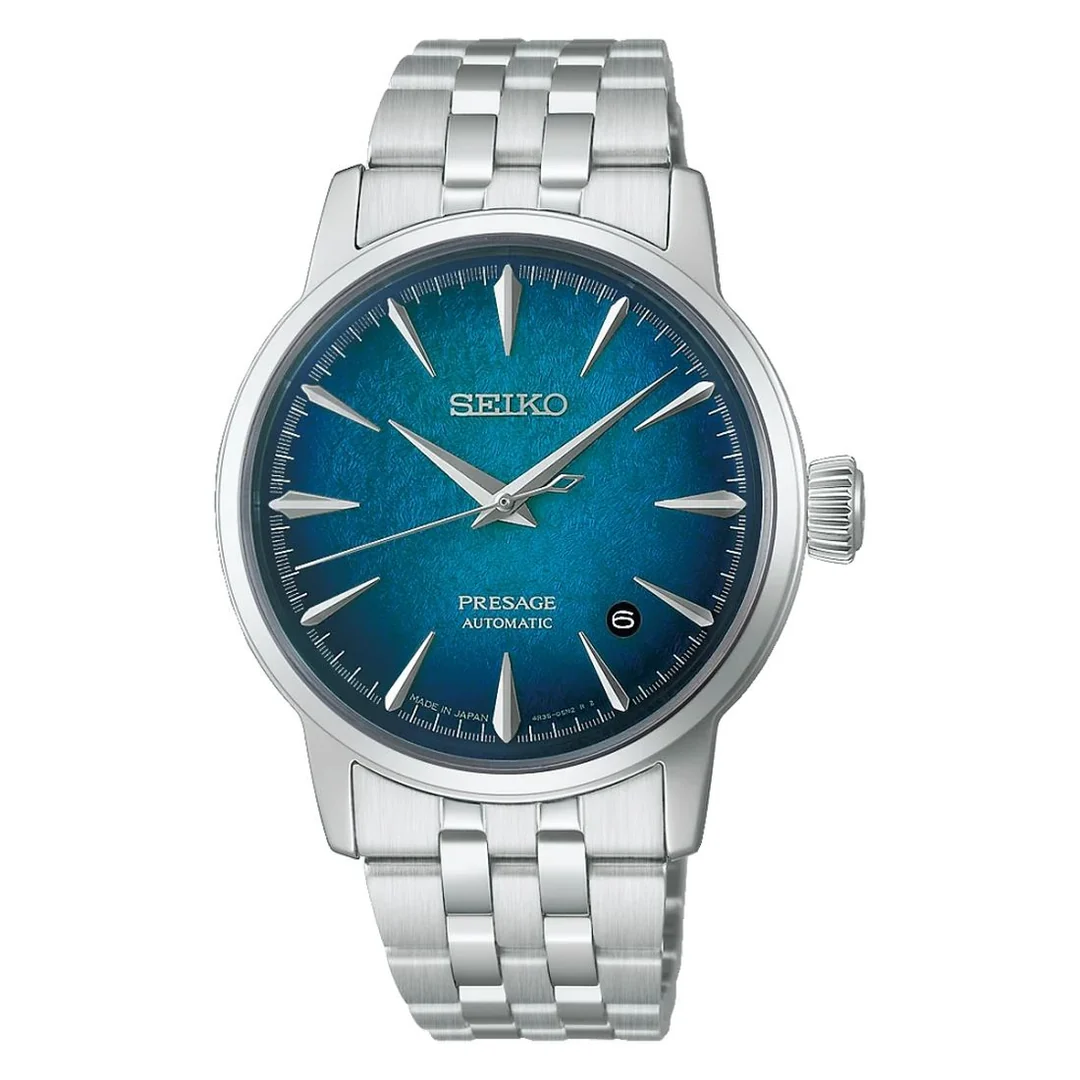
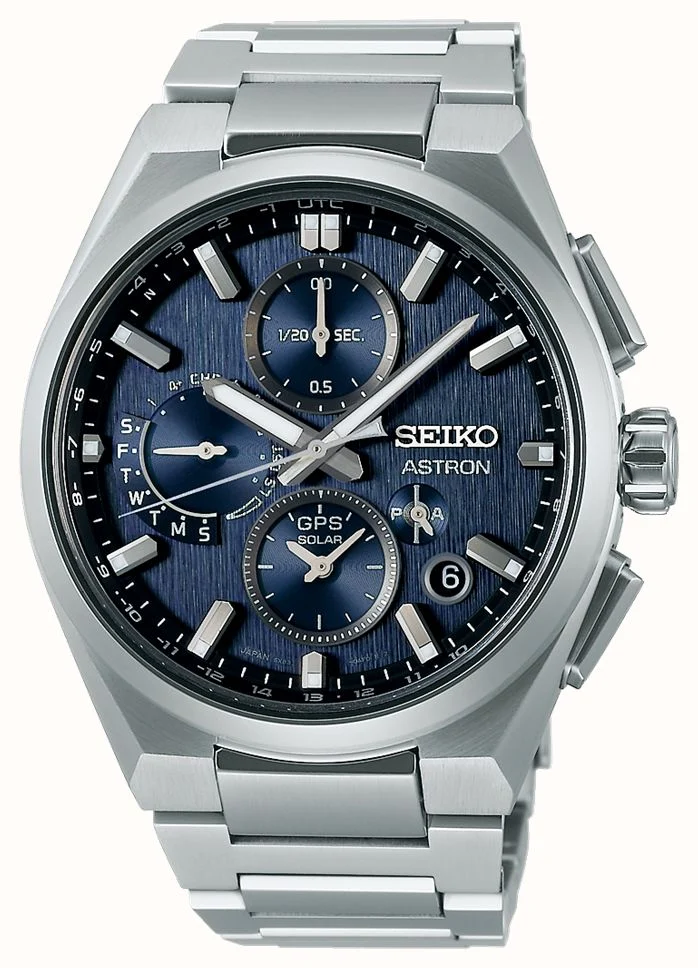
In recent decades the group has progressively separated its own excellences into independent brands — Credor (a high-end division since 1974) and Grand Seiko (independent since 2017) are today treated as separate brands in the Chronopedia catalogue — while the Seiko name continues to cover the historic core of production: the solidity of the 5 line, the professional heritage of Prospex, the mechanical elegance of Presage, the tradition of King Seiko (brought back to life in 2022) and the technological heritage of the Astron, today carried forward in GPS Solar technology. Corporate structure and names have changed several times over the years, but the headquarters remains in Tokyo, under the current holding company Seiko Group Corporation.