
Bulova
Brand History
Bulova is born in 1875 in New York, when Bohemian immigrant Joseph Bulova opens a small jewelry shop on Maiden Lane, in the heart of the city's watchmaking district. The business gradually shifts toward in-house production: around 1911 the company begins making clocks and pocket watches, and in 1912 it opens in Biel, Switzerland, its first facility dedicated to watch manufacture. In 1923 the company is reorganized as the Bulova Watch Company. From the early decades of the twentieth century the brand stands out for a pioneering attitude in communication more than in mechanics alone: in 1926 it broadcasts what is considered the first national radio advertisement for a watch, and in 1941 it airs what is remembered as the first television commercial ever broadcast in the United States.
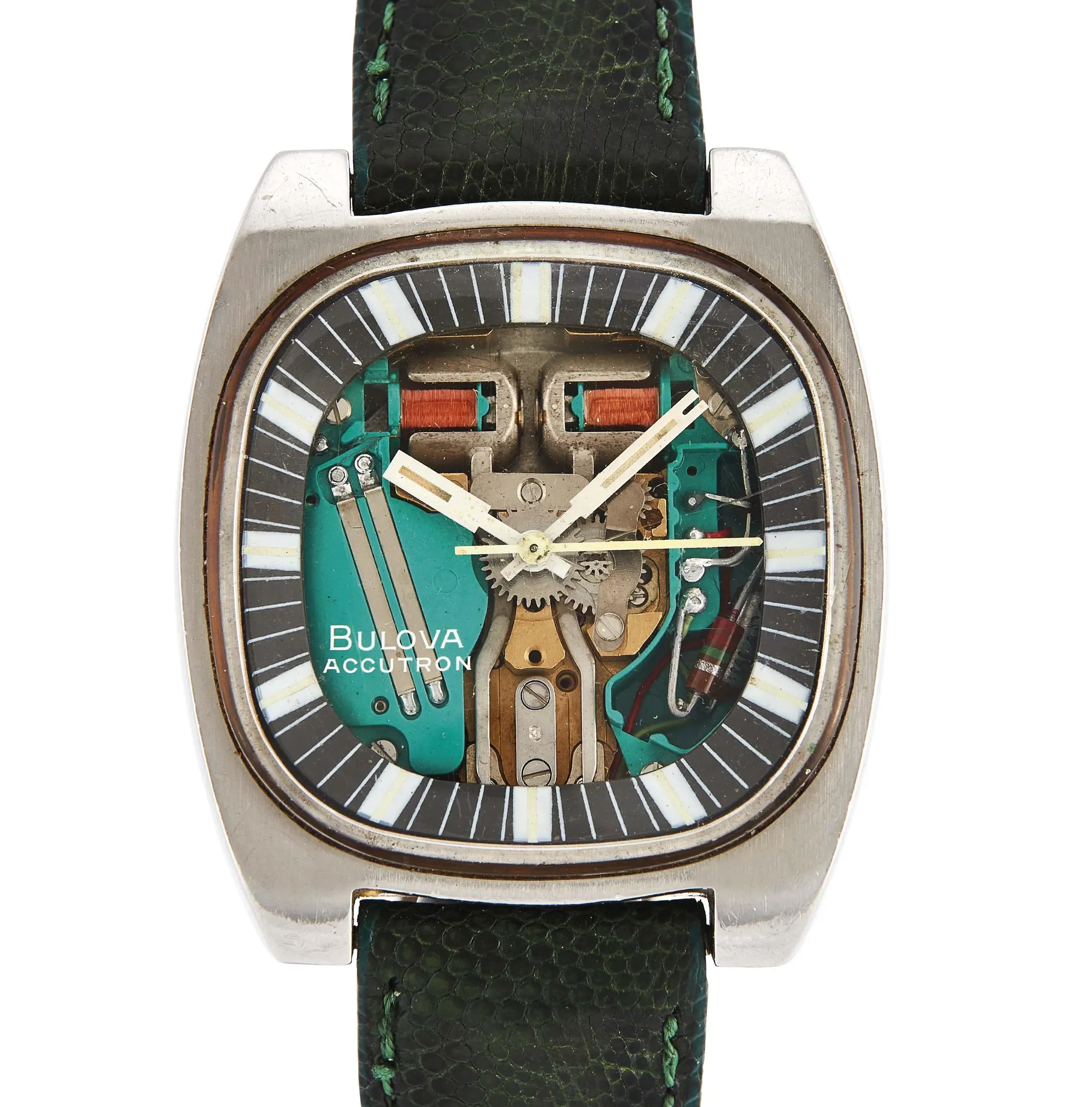
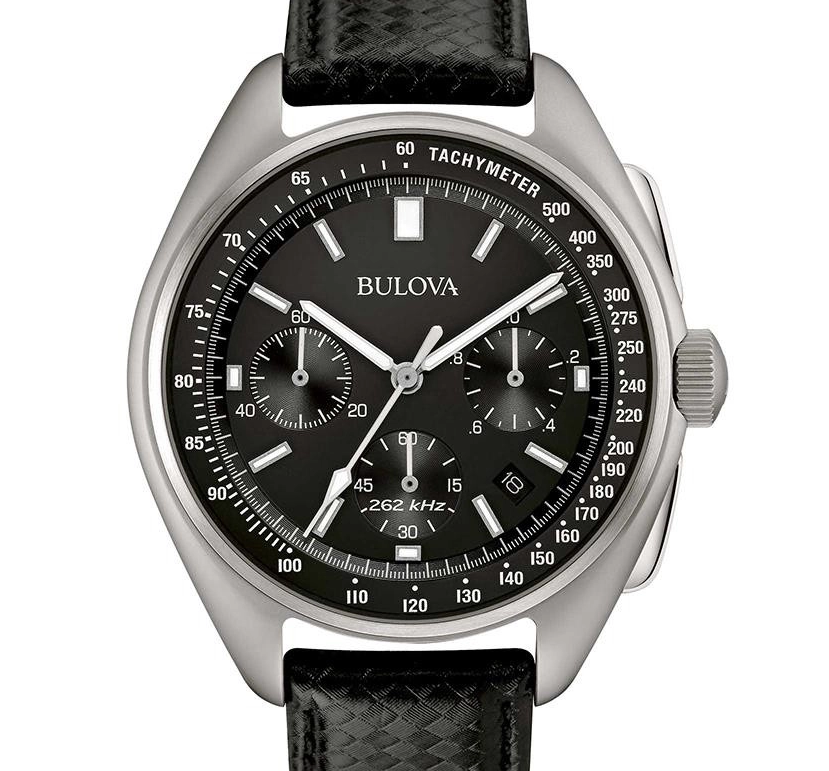
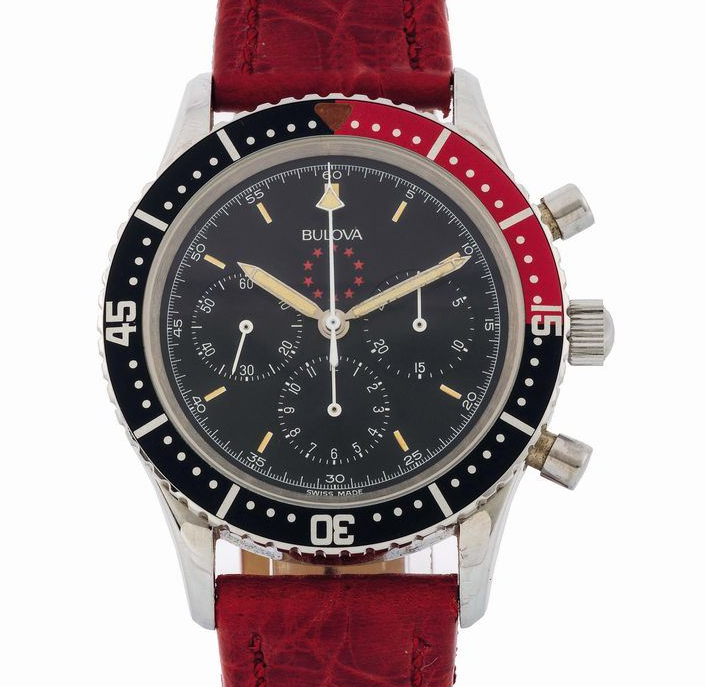
The most significant technological leap arrives in 1960 with the Accutron, the world's first watch to replace the traditional mechanical balance wheel with a vibrating electronic tuning fork: an invention by Swiss engineer Max Hetzel that earns Bulova unprecedented precision for the time and a role, albeit a background one, in the history of the space race. Accutron-derived movements were in fact used as onboard chronometers in several NASA missions, and in 1971 a Bulova chronograph given to astronaut Dave Scott, commander of Apollo 15, was worn on the lunar surface after the official mission watch's crystal failed — an episode the brand still celebrates today with the Lunar Pilot collection.
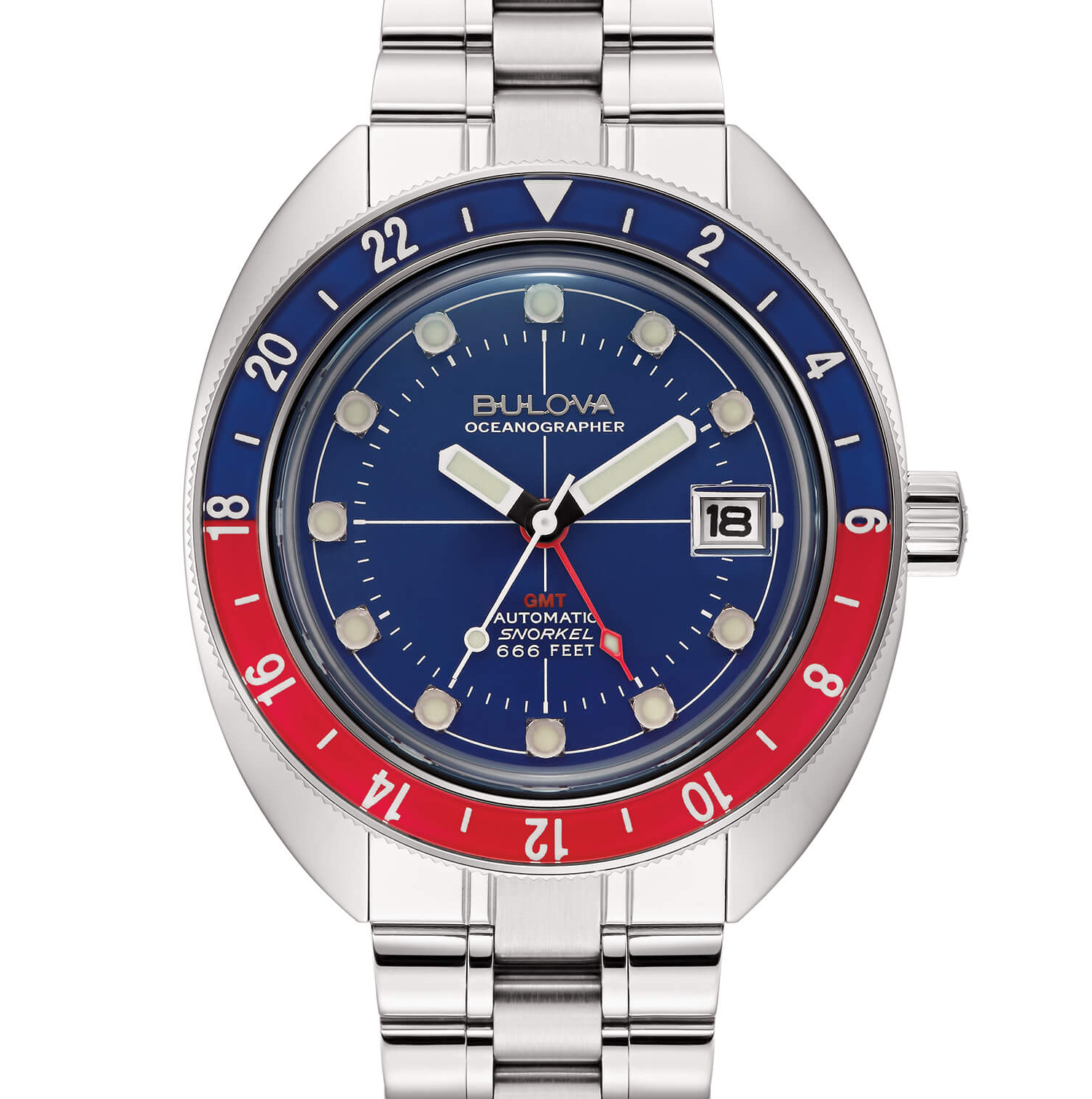
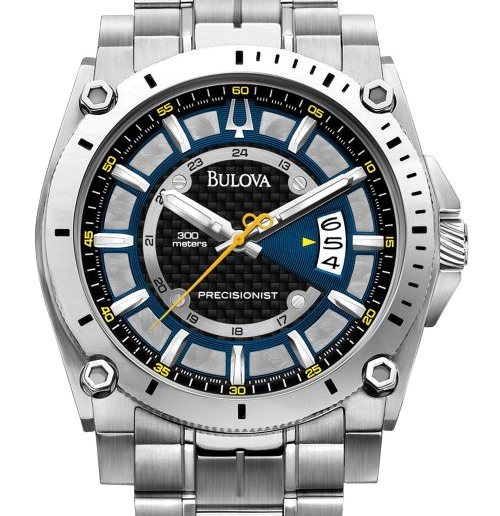
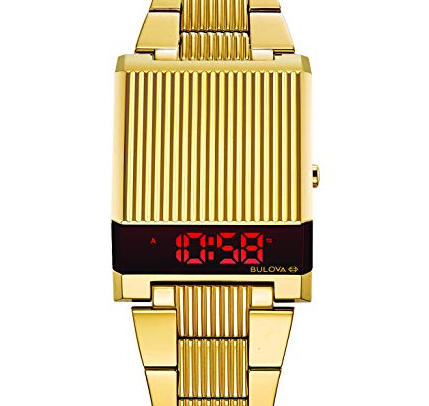
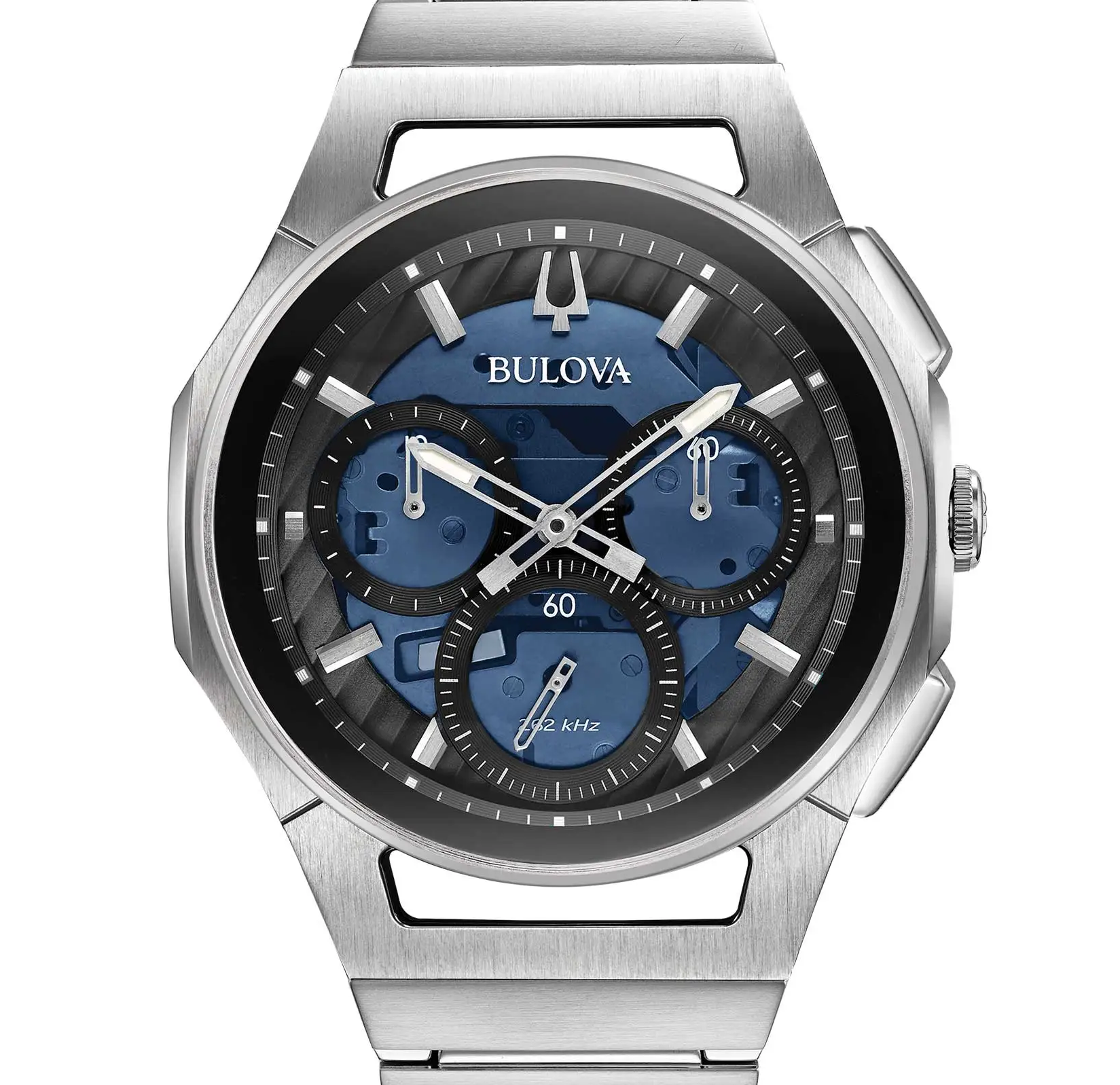
In 1979 Bulova joins the Loews Corporation group, before being acquired in January 2008 by Citizen Watch Company for 250 million dollars; since then it has operated as a subsidiary of the Japanese giant, while retaining its American headquarters and identity in New York. The current catalogue continues to focus on innovation in high-frequency quartz, with technologies such as Precisionist and Curv, but it is the brand's past that remains its true hunting ground among collectors: the tuning-fork Accutrons of the 1960s-70s, the Oceanographer divers — known among collectors as "Devil Diver" and, in its most widespread and sought-after variant, "Snorkel" — and military watches such as the A-11 supplied to US armed forces during the Second World War are today among the most sought-after vintage Bulova pieces on the market, to the point that the brand itself regularly offers reissues faithful to the originals. In 2025 Bulova celebrated 150 years of activity, claiming a legacy made as much of technical firsts as of a vintage history that, for a good part of enthusiasts, remains today the main reason the Bulova name still matters.