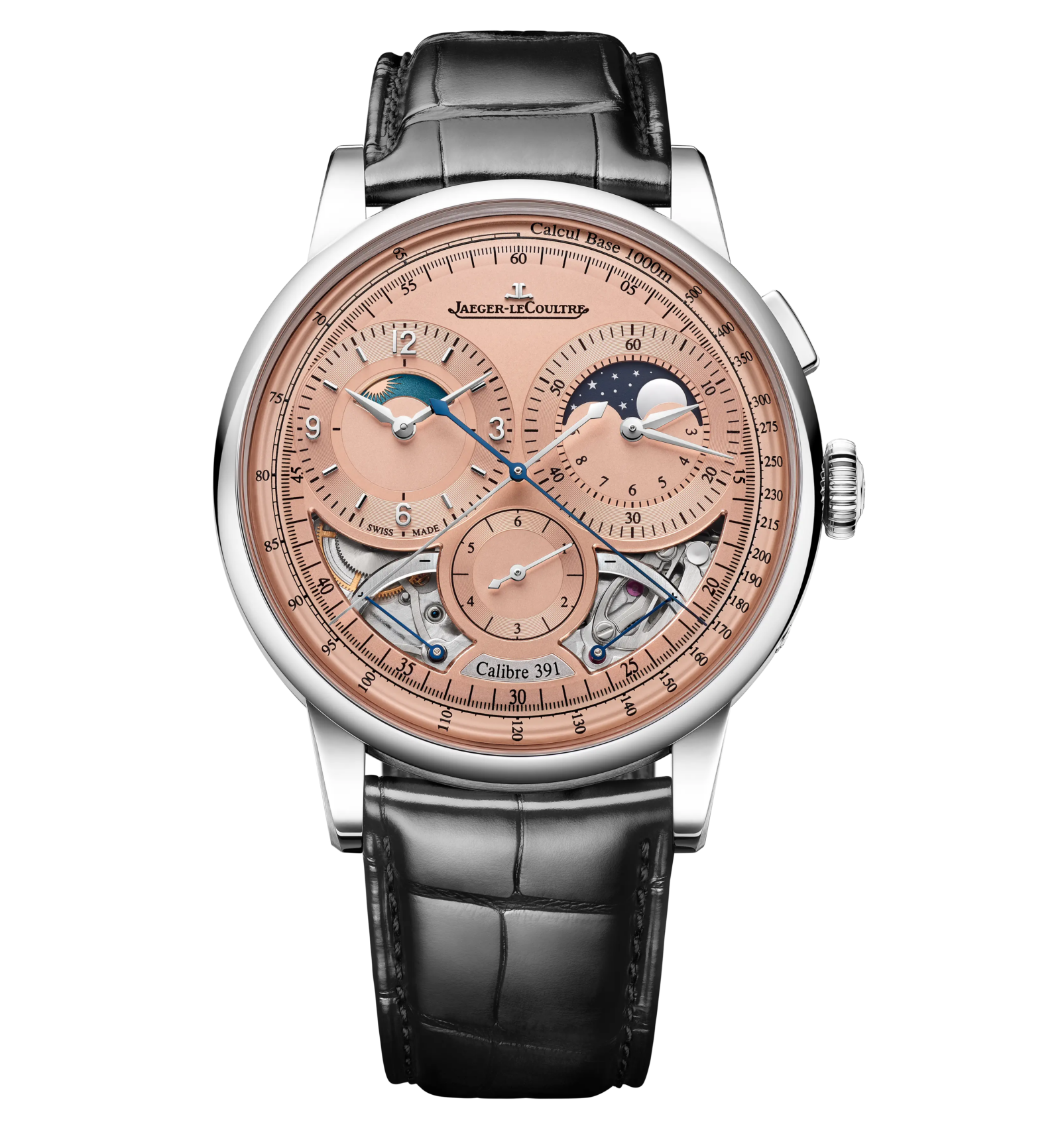

Jaeger-LeCoultre
Brand History
It all begins in 1833, when Antoine LeCoultre opens a watchmaking workshop in Le Sentier, in the heart of the Vallée de Joux, the Swiss Jurassian plateau that would become one of the cradles of fine watchmaking. LeCoultre is first and foremost an inventor: in 1844 he perfects the Millionomètre, the first instrument capable of measuring the micron, which for decades would become the standard of the entire Swiss watch industry for the precision control of components; in 1847 he develops a keyless winding and setting system, and in 1851 he receives a gold medal at the Great Exhibition in London. In 1866, together with his son Élie, he founds LeCoultre & Cie, the first fully integrated manufacture in the Vallée de Joux, capable of carrying out every stage of watch production in-house, from design to finishing.
The name we know today emerges from the encounter with another leading figure of the era's watchmaking world: in 1903 the Parisian watchmaker Edmond Jaeger issues a challenge to Swiss manufacturers, asking them to produce ever thinner calibres for his own high-end pocket and wrist watches. Jacques-David LeCoultre, grandson of the founder, takes up the challenge and in 1907 presents Calibre 145, often nicknamed "Couteau" for its thickness of just 1.38 mm: at the time, the thinnest mechanical movement ever made. From the technical collaboration between the two houses a partnership is born, formalized in 1937 under the company name Jaeger-LeCoultre. For much of the 20th century, the Le Sentier manufacture also works "behind the scenes": between 1902 and 1932 it supplies most of the movement blanks to Patek Philippe, and over the decades it develops calibres and complications for other great names such as Audemars Piguet, Vacheron Constantin, Cartier and IWC, earning the nickname — now part of everyday enthusiast language — of "manufacture of manufactures".
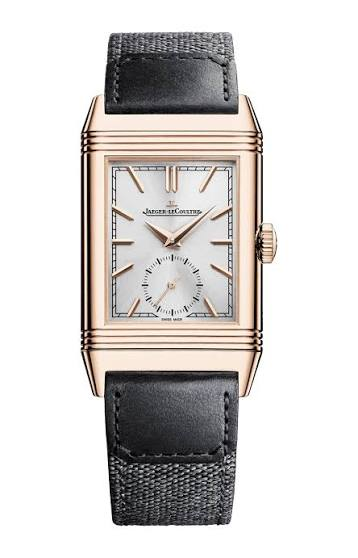
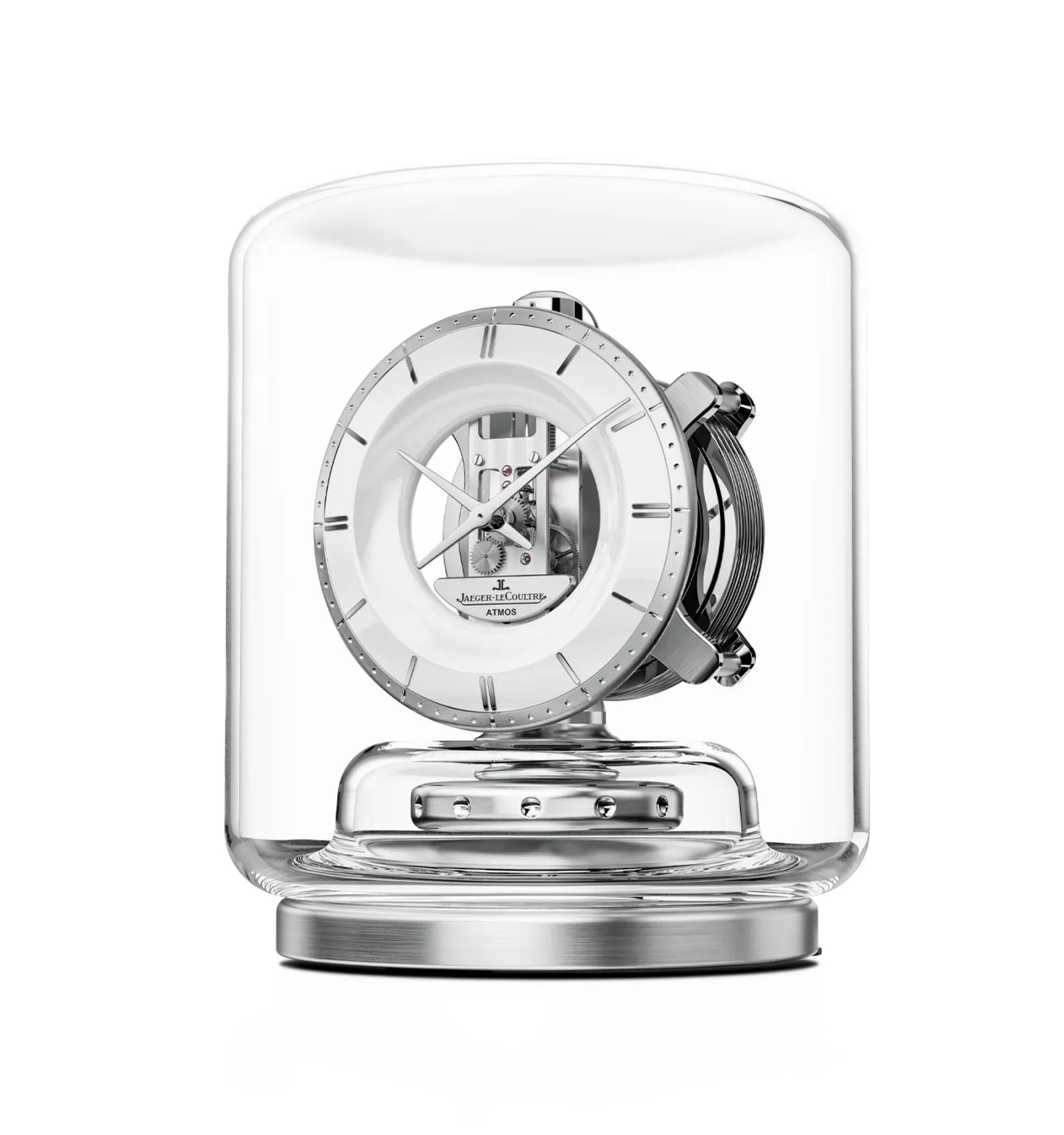
The 20th century sees some of the brand's most celebrated inventions flourish: in 1928 Jaeger-LeCoultre acquires and develops the principle of the Atmos clock, capable of winding itself by harnessing variations in ambient temperature; in 1929 Calibre 101 is born, still the smallest mechanical movement in the world, weighing barely one gram; and in 1931 the patent for the Reverso is filed, the reversible case that remains the absolute symbol of the maison. In 2000 Jaeger-LeCoultre becomes a full member of the Richemont Group, while retaining its own production autonomy in Le Sentier, where it today brings together under one roof more than twenty watchmaking crafts — from calibre design to enamel work, from engraving to gemology — continuing to develop complications of the highest order, from the Gyrotourbillon of 2004 to the Hybris Mechanica à Grande Sonnerie of 2009, with over 1,200 calibres and more than 400 patents filed throughout its history.