
Cartier
Brand History
Cartier was founded in Paris in 1847, when Louis-François Cartier took over the jewelry workshop of his master, Adolphe Picard. For the first decades the business remained a Parisian jewelry shop like many others, but everything changed with the next generation: his son Alfred, and above all Louis-François's three grandsons — Louis, Pierre and Jacques Cartier — transformed the small house into an international empire. Louis ran the Paris headquarters, moved in 1899 to the prestigious Rue de la Paix; Pierre opened the New York boutique on Fifth Avenue in 1909; Jacques oversaw the London office. It was a geographic division reflecting an already global vision, rare for the era.
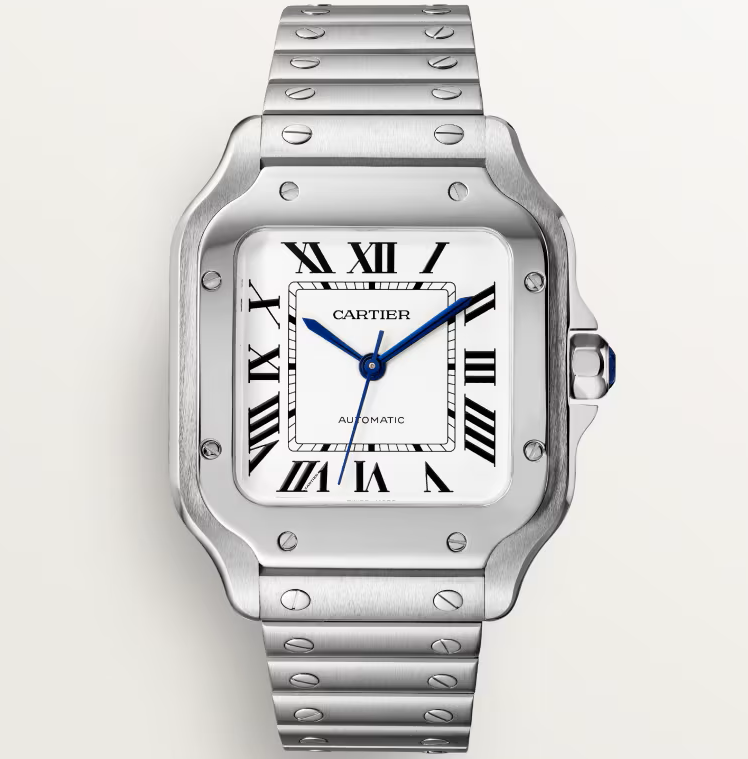
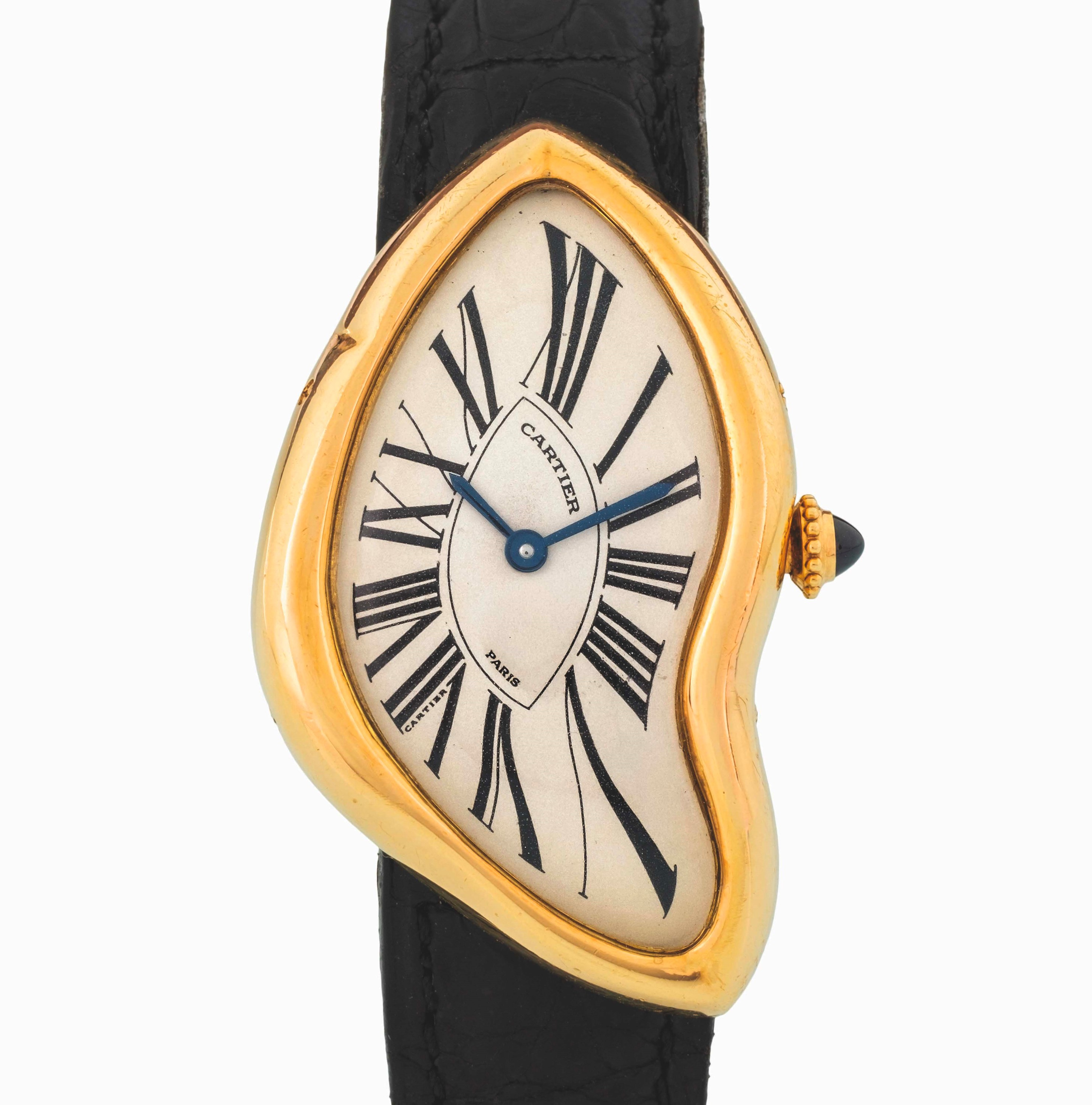
The house's prestige was consolidated through its relationship with Europe's royal houses: in 1904 King Edward VII of England granted Cartier a royal warrant, calling it "the jeweler of kings, the king of jewelers" — a phrase that would accompany the brand throughout the twentieth century. Warrants from other courts followed, from Russia to Spain, and the house became an official supplier of tiaras, diadems and jewels for the most important occasions of European court life. It is precisely in this context of high jewelry that the brand's watchmaking vocation was born, almost by chance: in 1904 Louis Cartier created for his aviator friend Alberto Santos-Dumont what is considered one of the first wristwatches designed for a man, starting a tradition that would lead, in the following decades, to the creation of some of the most recognizable case shapes in the history of watchmaking.
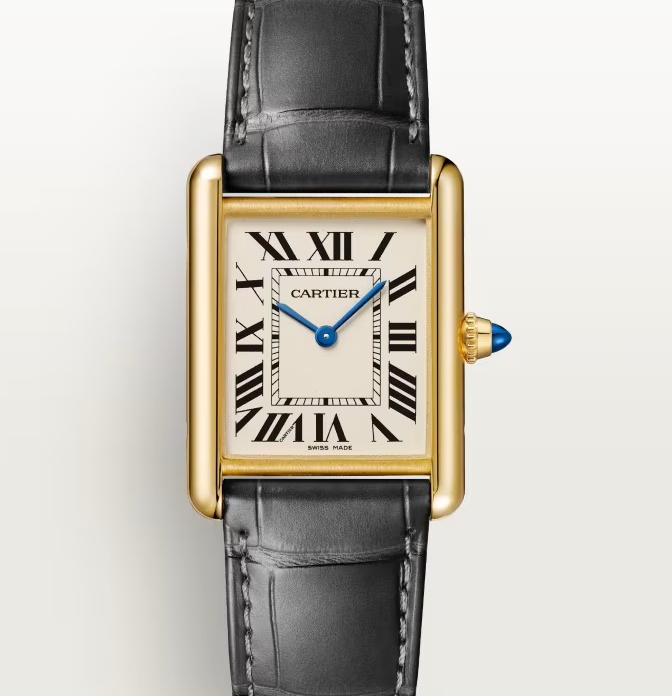
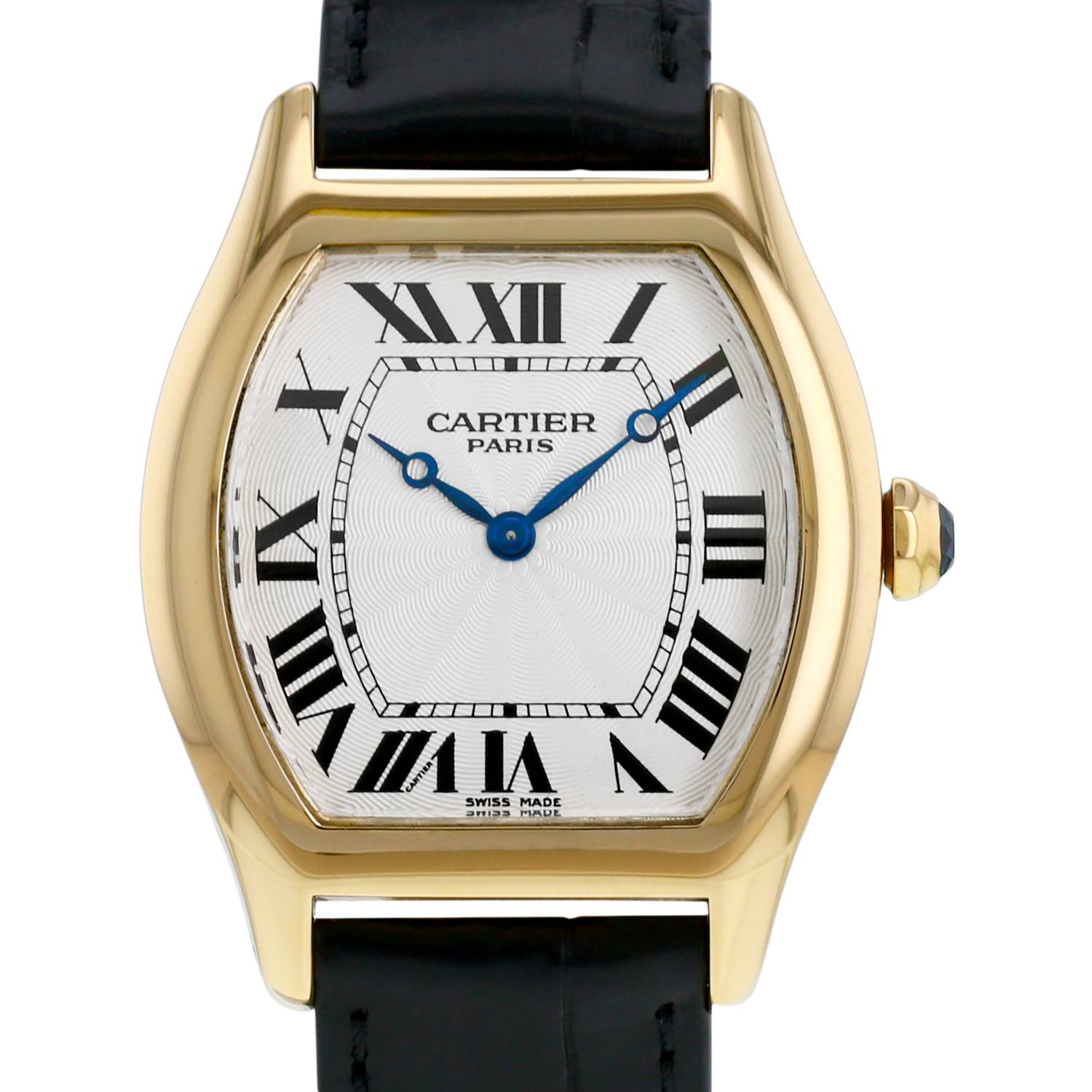
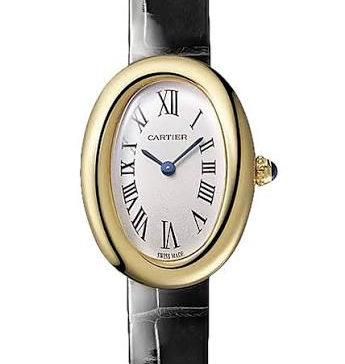
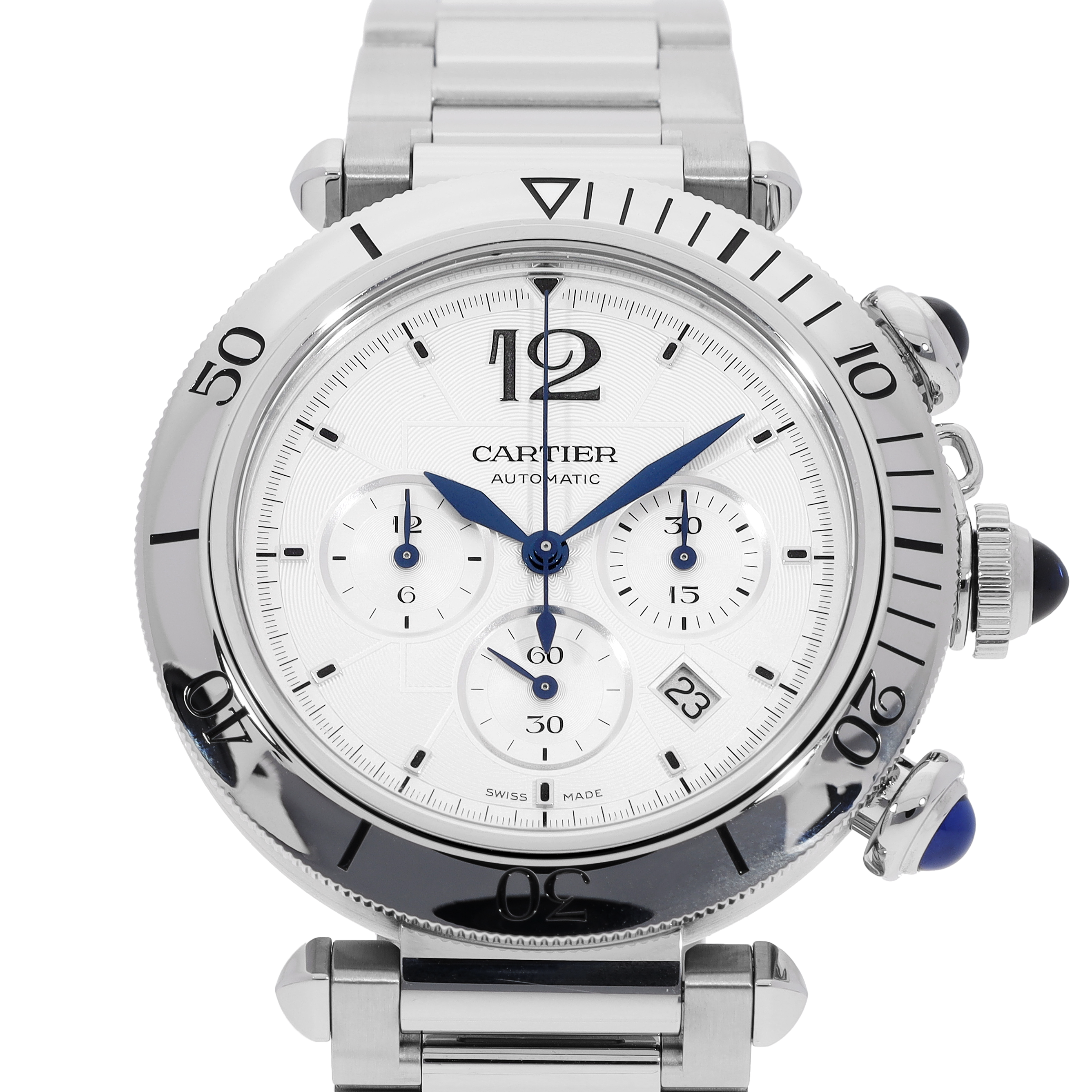
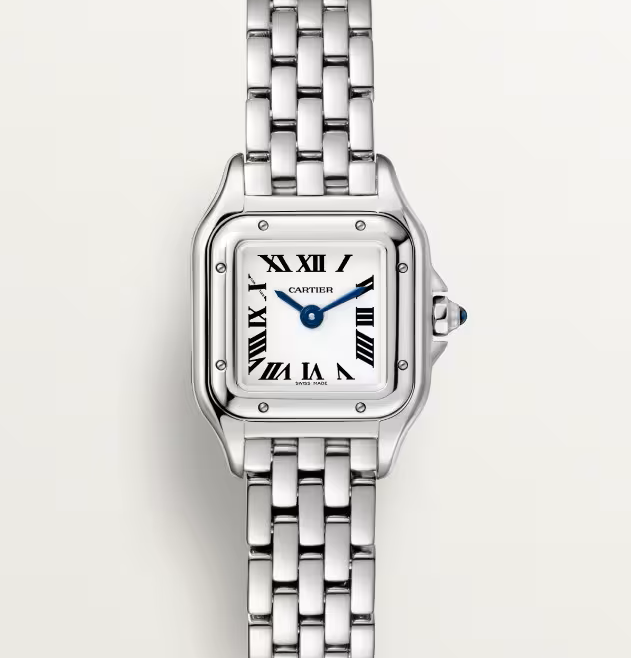
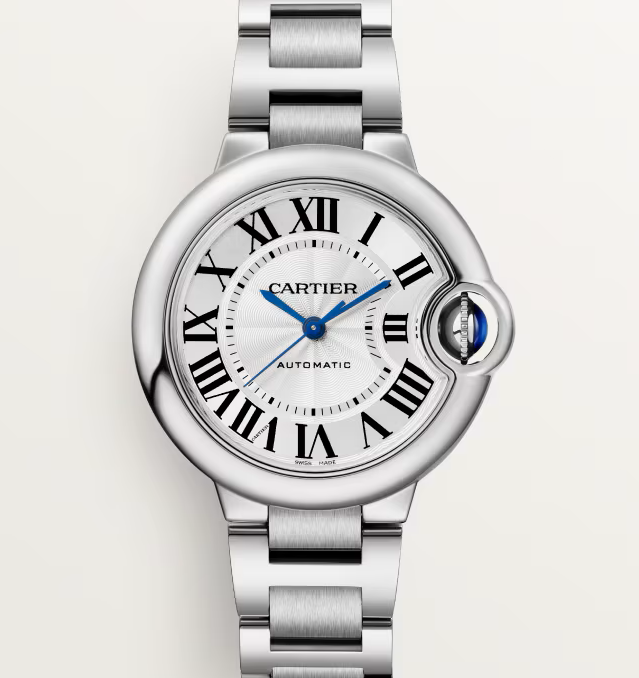
Over the course of the twentieth century Cartier went through alternating phases — from the separation of the three national offices into independent companies to their reunification, starting in the 1960s, under the leadership of Robert Hocq and Alain-Dominique Perrin, architects of the house's relaunch with the "Must de Cartier" line. Today Cartier is part of the Swiss Richemont group and remains, alongside a few other houses, an absolute point of reference in both high jewelry and watchmaking, thanks to an aesthetic language built around geometric shapes — the square, the rectangle, the oval, the tonneau — rather than solely the round case that dominates the rest of the industry.